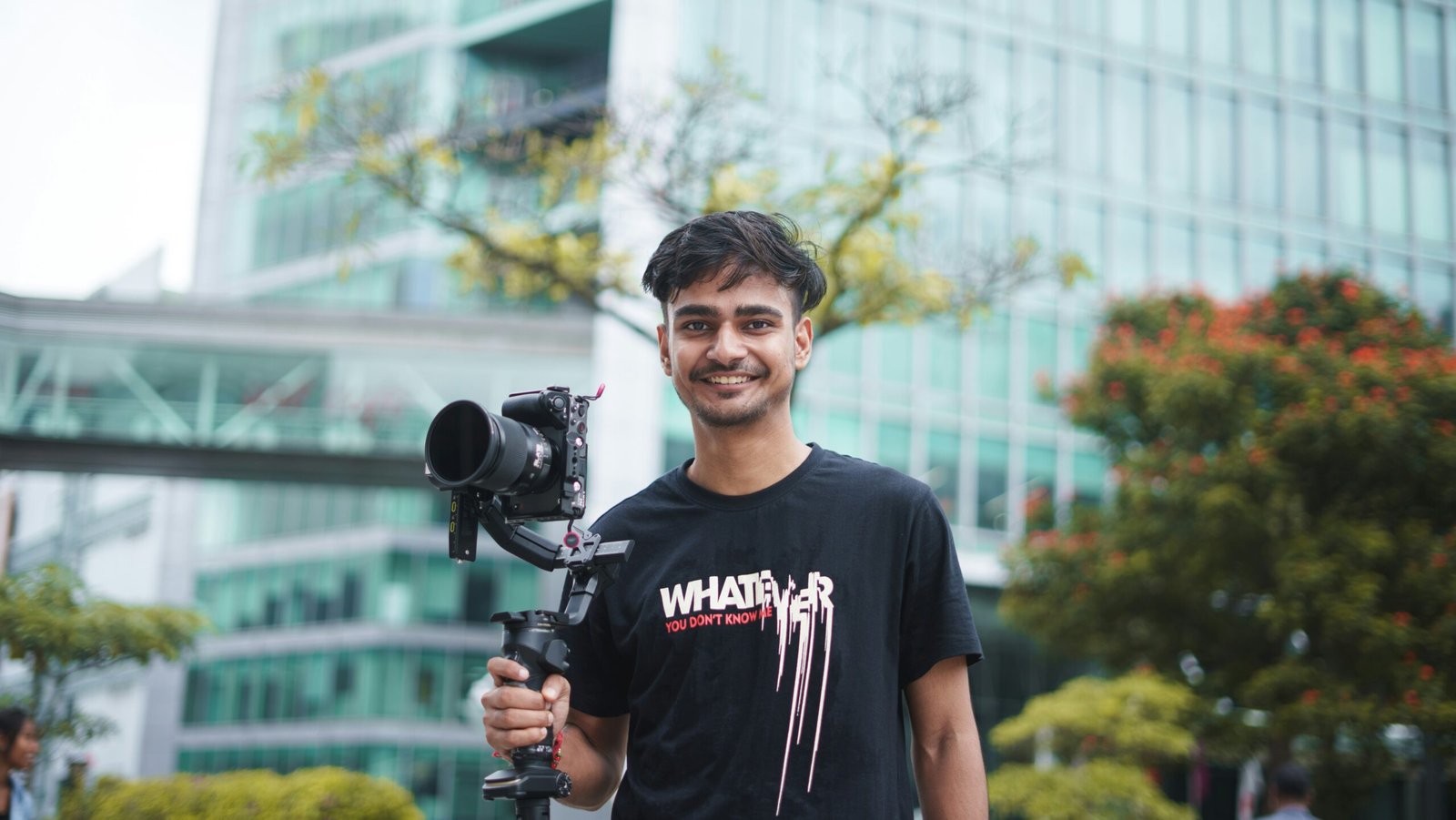
Campus media labs are becoming essential hubs for teaching modern storytelling, moving beyond traditional narrative structures to embrace the dynamic, multi-platform world we live in. This shift focuses on equipping students with the skills to connect with audiences across various digital mediums, ensuring their stories resonate and have impact.
Traditional storytelling often conjures images of books or straightforward films. However, today’s media landscape demands a more expansive approach. Campus media labs are at the forefront of this evolution, providing students with the tools and knowledge to craft narratives that don’t just inform, but engage deeply across a spectrum of platforms. This means understanding how a story can be told through video, audio, interactive graphics, and even social media campaigns, each contributing to a cohesive and compelling whole.
The Rise of Video Production Skills
Video remains a dominant force in digital communication, and media labs are prioritizing hands-on training in its creation. This isn’t just about pointing a camera; it’s about understanding visual language, pacing, and how to evoke emotion through moving images.
Industry-Standard Equipment and Techniques
Institutions like Quinnipiac University offer intensive summer programs that immerse high school students in professional filmmaking environments. These programs provide access to industry-standard cameras and editing suites, crucial for developing a practical understanding of production workflows. Instruction often covers the core pillars of filmmaking:
- Producing: The logistical and creative oversight of a project from conception to completion.
- Scripting: Developing compelling narratives that are suitable for visual medium.
- Cinematography: The art and science of capturing images, including camera movement, framing, and lighting.
- Post-production: Editing, sound mixing, color grading, and visual effects that bring the story to life.
This dedicated focus on the technical and artistic aspects of video production ensures students are not just learning theory, but are ready to create polished, impactful content.
Short-Form and Long-Form Narrative
The skills taught in these labs apply to both short, engaging social media clips and more in-depth documentary or fictional pieces. Students learn how to adapt their storytelling approach to suit the platform and audience, a vital lesson in today’s fragmented media environment.
For those interested in exploring innovative approaches to storytelling in educational settings, the article on Angels and Blimps titled “The Art of Digital Storytelling” provides valuable insights and techniques that complement the teachings found in Campus Media Labs’ “Teaching Modern Storytelling.” You can read the article here: The Art of Digital Storytelling. This resource delves into the integration of technology and creativity, making it a perfect companion for educators looking to enhance their storytelling methods.
Journalism in the Digital Age
The practice of journalism has undergone a radical transformation, and campus media labs are adapting their curricula to reflect this. The emphasis is shifting towards multimedia journalism, where reporting is enhanced by diverse digital tools.
Multimedia Journalism and Data-Driven Communication
Programs such as USC’s “Storytelling in the Digital Age” tackle this head-on. They equip students with essential journalism skills, but with a distinctly modern slant. This includes:
- Interviewing: Mastering the art of eliciting informative and engaging responses, whether for audio, video, or written copy.
- Video and Photography: Learning to capture compelling visuals that complement and enhance journalistic narratives.
- Social Media Engagement: Understanding how to distribute content, interact with audiences, and build communities around news stories.
- Media Ethics: Navigating the complex ethical landscape of digital reporting, including issues of accuracy, bias, and source verification.
The inclusion of data-driven communication is particularly noteworthy. Students are taught to analyze datasets and present findings in visually accessible and understandable ways, transforming raw information into impactful stories.
Navigating the Transmedia Storytelling Landscape
The concept of “transmedia storytelling” acknowledges that a single narrative can unfold across multiple platforms, with each platform contributing a unique and valuable element to the overall story. Campus media labs are exploring this complex but increasingly important area.
Exploring Narrative Across Different Media Formats
MIT’s Comparative Media Studies, for instance, delves into how science fiction narratives are adapted and expressed through various media. This comparative approach allows students to understand the strengths and limitations of each format:
- Short Stories: Offering intimate, focused character development and concise plotlines.
- Novels: Providing depth, complex character arcs, and detailed world-building.
- Screenplays: Focusing on visual progression and dialogue for film and television.
- Moving Image: Capturing emotion and action through visual and auditory elements.
- Games: Allowing for interactive experiences and player agency within a narrative world.
By studying these different forms, students learn how to translate stories effectively between mediums, ensuring a consistent thematic core while leveraging the unique affordances of each platform.
Data Visualization as a Storytelling Tool
In an era where data is abundant, understanding how to interpret and present it is a crucial storytelling skill. Campus media labs are embracing data visualization, transforming complex information into accessible and engaging visual narratives.
Methodologies for Creative Data Representation
MIT’s Data Storytelling Studio exemplifies this trend. The focus here is on uncovering stories hidden within datasets. Students are taught:
- Research: Identifying relevant data sources and formulating research questions.
- Dataset Analysis: Employing techniques to clean, explore, and understand the patterns within data.
- Visualization Methodologies: Learning various graphic techniques, from charts and graphs to interactive maps and infographics, to represent data effectively.
- Ethical Considerations: Understanding the responsibility that comes with presenting data, including avoiding misrepresentation, bias, and ensuring data privacy.
This approach empowers students to not just present facts, but to reveal insights and nuances that might otherwise remain obscured, turning numbers into compelling narratives.
Storytelling with Impact
The application of data visualization extends beyond academic exercises. It’s a powerful tool for journalists, researchers, and advocates aiming to communicate complex issues and drive action. Labs are teaching students how to create visualizations that inform, persuade, and inspire.
In exploring innovative approaches to education, the article on the importance of digital storytelling in the classroom provides valuable insights that complement the concepts discussed in Campus Media Labs Teaching Modern Storytelling. By integrating technology and creative narratives, educators can engage students more effectively and enhance their learning experiences. For a deeper understanding of how these techniques can transform traditional teaching methods, you can read the full article here.
Developing Job-Ready Digital Media Skills
Beyond the theoretical understanding of storytelling, modern campus media labs are heavily focused on equipping students with practical, job-ready skills. This means providing hands-on experience with the tools and technologies that are in demand in the professional world.
Practical Training with Industry Professionals
Oglethorpe University’s Digital Media Lab serves as a prime example of this practical approach. This online environment allows students to develop a tangible skillset through:
- Audio/Video Equipment Operation: Gaining proficiency in using professional cameras, microphones, lighting kits, and editing software.
- Specialized Industry Focus: Working with professionals who bring real-world experience in areas such as:
- Camera Work: Mastering camera operation, composition, and movement.
- Lighting: Understanding how to use light to shape mood and enhance visual storytelling.
- Sound Design: Crafting immersive audio environments that complement visuals.
- Editing: Seamlessly assembling footage and audio to create a coherent narrative.
- Scriptwriting: Developing well-structured and engaging scripts.
- Directing: Guiding talent and crew to achieve the desired artistic vision.
This blend of theoretical learning and practical application ensures graduates are well-prepared for entry-level positions in a variety of media industries.
Building a Portfolio and Professional Network
The projects undertaken in these labs often serve as the foundation for student portfolios, showcasing their abilities to potential employers. Additionally, opportunities to work with industry professionals can lead to valuable mentorship and networking connections, opening doors to future career opportunities.
Storytelling for Social Change
A significant and growing area within modern storytelling is its application in driving social change. Campus media labs are increasingly incorporating this aspect into their programming, recognizing the power of narratives to inform, mobilize, and advocate for a better society.
Civic Storytelling and its Impact
Initiatives like “Story Movements 2026,” a national convening hosted by the Center for Media and Social Impact, highlight this focus. Such gatherings bring together a diverse group of individuals – filmmakers, journalists, artists, and media leaders – to explore how storytelling can be a catalyst for civic engagement and social impact. This involves:
- Understanding Audience and Impact: Learning how to tailor stories to resonate with specific communities and achieve desired outcomes.
- Ethical Storytelling in Advocacy: Navigating the complexities of telling stories that represent marginalized voices and promote social justice.
- Utilizing Digital Platforms for Mobilization: Employing social media, online video, and other digital tools to amplify messages and encourage action.
Students are learning that powerful stories can not only entertain but also inspire change, foster empathy, and challenge societal norms. This understanding is crucial for a new generation of storytellers who aim to make a tangible difference in the world. The skills developed in campus media labs are thus extending beyond individual creative expression to collective action and societal advancement.
FAQs
What is a campus media lab?
A campus media lab is a facility on a college or university campus that provides students with access to equipment and resources for creating various forms of media, such as video, audio, and digital storytelling.
What is modern storytelling?
Modern storytelling refers to the use of contemporary technology and multimedia platforms to convey narratives and engage audiences. This can include techniques such as video production, podcasting, and interactive digital storytelling.
What types of equipment and resources are typically available in campus media labs?
Campus media labs often provide access to equipment such as video cameras, audio recording devices, editing software, green screens, and lighting equipment. They may also offer resources such as workshops, training sessions, and access to online media libraries.
How can students benefit from using campus media labs for modern storytelling?
Students can benefit from using campus media labs by gaining hands-on experience with professional-grade equipment and software, developing their storytelling skills, and creating a portfolio of multimedia projects that can enhance their resumes and career prospects.
Are campus media labs open to all students, regardless of their major or area of study?
In many cases, campus media labs are open to all students, regardless of their major or area of study. However, some labs may prioritize access for students enrolled in media or communication-related programs.