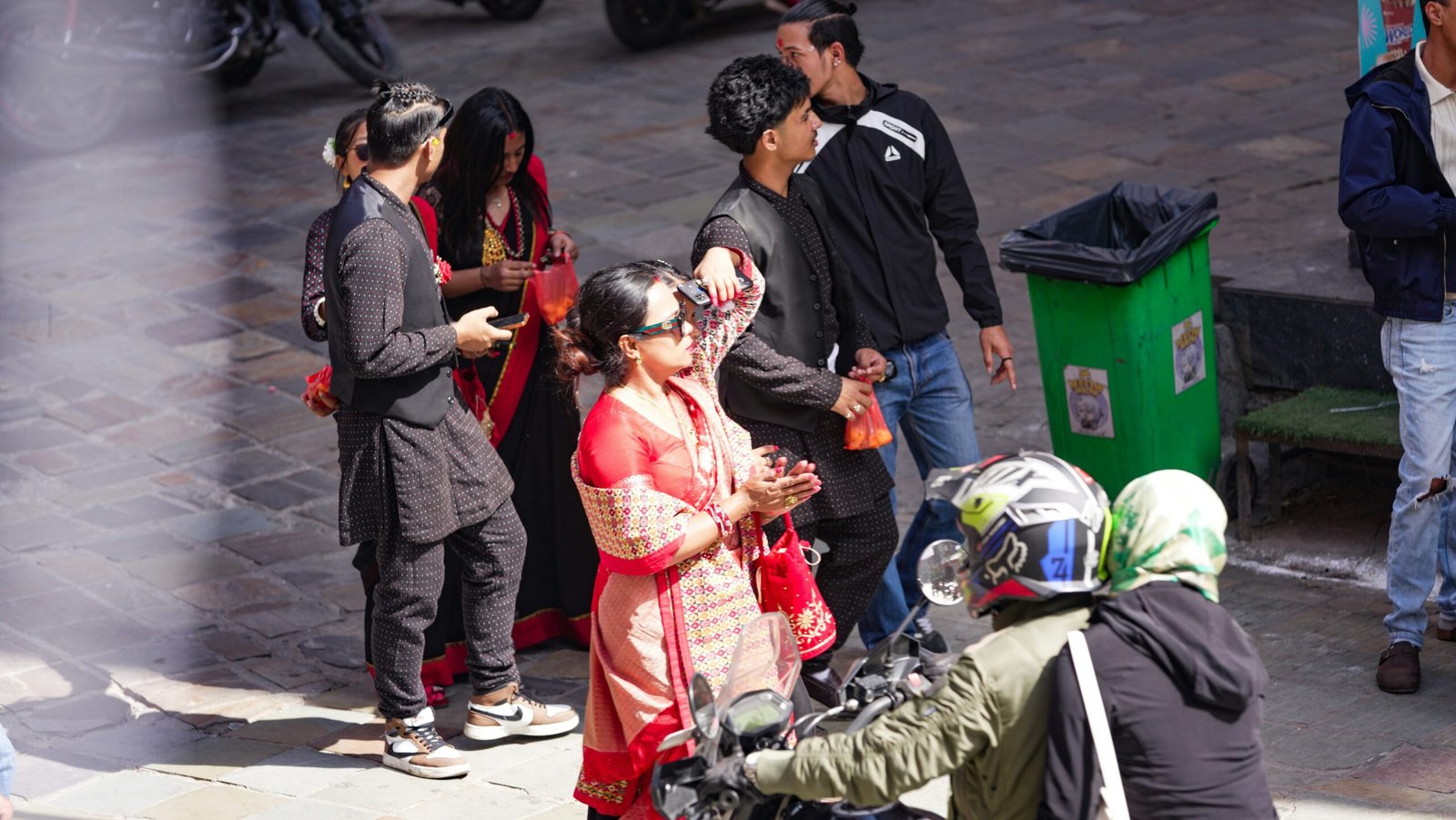
Campus cultural festivals are a fantastic way for universities to bring the world to their doorstep, offering students, faculty, and the wider community a chance to experience and learn about different traditions. These events go beyond just a fun day out; they are practical platforms for fostering understanding, building bridges, and enriching the educational experience. If you’re wondering what these festivals are all about and what you can expect, the short answer is: a vibrant mix of food, performances, learning opportunities, and connections that celebrate the incredible diversity present on and around college campuses.
Welcoming the World: What These Festivals Entail
Campus cultural festivals are essentially curated gatherings designed to showcase the myriad of cultures that make up a university’s population. This isn’t just about flags and food, though those are certainly important parts. They are active celebrations that allow different communities to share their heritage, arts, and perspectives. Think of them as mini-United Nations, but with better music and more delicious options for lunch.
These events are usually organized by student groups, international offices, or diversity and inclusion departments. The goal is to provide a space where students from various backgrounds can share their traditions, and where other members of the campus community can learn and engage respectfully. It’s a hands-on approach to intercultural education, moving beyond textbooks and lectures to direct experience.
Campus cultural festivals play a vital role in celebrating global diversity, bringing together students from various backgrounds to share their traditions and experiences. For a deeper understanding of how these festivals foster inclusivity and community engagement, you can read a related article that explores the impact of cultural events on campus life at this link: Angels and Blimps. This article highlights the importance of embracing multiculturalism and the positive effects it has on student interactions and learning.
The Core Components: More Than Just a Parade
While a parade of traditional attire is often a highlight, these festivals are typically multifaceted events. They aim to engage multiple senses and learning styles.
Culinary Journeys
One of the most immediate and popular aspects of any cultural festival is the food. This is where attendees get a real taste of different countries and regions. You might find stalls offering everything from spicy Indian curries and savory Vietnamese pho to sweet Italian cannoli and Mexican elote.
- Global Food Fairs: These are often the heart of the festival, with numerous vendors or student groups preparing authentic dishes. It’s a chance to sample cuisines from 10, 20, or even more countries.
- Authenticity Matters: Organizers often emphasize the authenticity of the food, either by having students from those countries cook or by partnering with local ethnic restaurants.
- Beyond Taste: Food is deeply tied to culture, tradition, and social interaction. Sampling these dishes can open conversations about family recipes, mealtime traditions, and the history behind specific foods.
Artistic Expressions
Music and dance are universal languages, and cultural festivals are prime showcases for these art forms. You can expect performances that are not only entertaining but also tell stories and convey cultural narratives.
- Dance Troupes: From energetic African drummers and dancers to graceful traditional Chinese fan dances, and lively Latin American folk dances, the variety can be astounding.
- Musical Performances: This can range from traditional folk music played on authentic instruments to contemporary songs reflecting cultural influences. You might hear string quartets playing classical pieces, or a singer performing folk ballads in a native tongue.
- Storytelling and Spoken Word: Many festivals include elements of oral tradition, where stories are shared, poems are recited, and historical accounts are recounted, often in both their original language and English translation.
Interactive Learning and Engagement
These festivals are not designed to be passive viewing experiences. Many offer opportunities for direct participation, allowing attendees to learn a new skill or engage in a cultural practice.
- Workshops: These are designed for hands-on learning. You might find workshops on Japanese calligraphy, Indian mehndi (henna) art, origami folding, African beadwork, or even basic phrases in a new language.
- Panel Discussions and Talks: To delve deeper, festivals often host discussions or presentations by faculty, students, or community members on topics related to their culture, history, or current global issues. These can provide valuable context and encourage critical thinking.
- Art Exhibitions: Displays of traditional or contemporary art from different cultures offer a visual exploration of creative expression and heritage.
Examples in Action: What to Expect in Reality
While specific festivals vary greatly in size and scope depending on the institution, looking at actual events provides a clearer picture. For instance, the Lisburn University Cultural Diversity Festival in 2026, themed “Celebrating Unity in Diversity,” is a prime example of a comprehensive campus event.
- Lisburn University Cultural Diversity Festival (2026): This annual event is designed to be a rich tapestry of cultural experiences. It features dedicated showcases for dances and music, alongside opportunities for storytelling. The global food fair is notable, aiming to include cuisines from over 20 countries. Complementing these are practical workshops like origami, beadwork, and calligraphy, which offer direct engagement. The festival also incorporates intellectual engagement through panel discussions and an art exhibition, culminating in a visually engaging attire parade and an open mic night for broader participation. This holistic approach aims to immerse attendees in diverse cultures.
Community Integration
Some festivals, while perhaps not exclusively campus-based, are deeply integrated with the surrounding community and offer a broader model for engagement. The Seattle Center Festál series, though a community-wide initiative, demonstrates the reach and ambition these events can have.
- Seattle Center Festál (2026): This is a series of 25 free cultural festivals that run throughout the year, from March to November. While not confined to a single campus, it highlights the types of cultural celebrations that can be organized on a larger scale, often involving universities with their student populations and academic resources. The series includes events like the Irish Festival, Japanese Cultural Festival, and Indigenous People Festival, each featuring performances, food, and arts that represent global traditions. Such a series demonstrates the potential for sustained cultural engagement.
Sustained Engagement Over Time
The longevity of some multicultural festivals points to their enduring value and the commitment of these institutions to celebrating diversity year after year. Marietta College’s event is a testament to this.
- Marietta College Multicultural Festival (2026): Now in its 10th year, this event at Marietta College is a strong example of an established campus festival. Its 10th annual iteration in February 2026 drew a record number of guests, indicating growing interest and successful execution. The festival typically includes an international cuisine component and performances by various student groups, such as the International Student Union and the Black Student Union. The practice of using raffle proceeds to fund the following year’s event is a practical and sustainable approach to ensuring the festival’s continuation.
The “Why”: Benefits Beyond Entertainment
The importance of these festivals extends far beyond a day of fun. They serve critical educational and social functions within the university setting.
Fostering Intercultural Competence
In an increasingly interconnected world, understanding and navigating different cultural perspectives is not just a soft skill; it’s a necessity.
- Learning Through Experience: Direct interaction with different cultures through food, music, and art provides a more visceral and memorable learning experience than traditional academic methods alone.
- Developing Empathy: By encountering diverse traditions and hearing personal stories, students can develop greater empathy and a nuanced understanding of perspectives different from their own.
- Challenging Stereotypes: These festivals offer a direct counterpoint to superficial or inaccurate portrayals of cultures, allowing for genuine appreciation and dispelling harmful stereotypes.
Building Community and Inclusivity
Campuses are often microcosms of society, with diverse student bodies. These festivals are crucial for making everyone feel seen, valued, and connected.
- Platform for Student Groups: They provide student organizations focused on specific ethnicities or nationalities a vital platform to showcase their heritage and engage with the broader campus community.
- Sense of Belonging: For international students and students from minority backgrounds, seeing their culture celebrated can significantly enhance their sense of belonging and reduce feelings of isolation.
- Cross-Cultural Friendships: Shared experiences during festivals can be catalysts for new friendships and collaborations between students from different backgrounds, enriching the social fabric of the university.
Enhancing the Educational Mission
Universities are primarily educational institutions, and cultural festivals directly support this mission.
- Global Citizenship: They help prepare students to be effective and responsible global citizens, equipped to understand and engage with a diverse world.
- Complementary Learning: The insights gained from these festivals can complement studies in areas like international relations, sociology, anthropology, and even business, by providing real-world context.
- Promoting Critical Thinking: Exposure to diverse viewpoints and practices encourages students to think critically about their own cultural assumptions and the complexities of global interactions.
Campus cultural festivals play a vital role in celebrating global diversity, fostering understanding and appreciation among students from various backgrounds. A related article discusses the impact of such events on community building and cultural exchange, highlighting how they encourage collaboration and dialogue. For more insights on this topic, you can read the article here. These festivals not only showcase traditional music, dance, and cuisine but also provide a platform for students to share their unique stories and experiences.
Practical Considerations for Organizers and Attendees
Putting on a successful cultural festival, or simply attending one, involves some practical considerations that ensure a smooth and enriching experience for all.
For Organizers
Planning a festival requires meticulous attention to detail to cater to a wide range of needs and expectations.
- Budgeting and Funding: Securing adequate funding is paramount. This can come from university departments, student activity fees, sponsorships, or grants. Keeping track of expenses for venues, performers, marketing, and materials is crucial.
- Logistics and Venue: Selecting an appropriate venue that can accommodate the expected crowd size, provide necessary facilities (stages, power, seating, restrooms), and be accessible is a key step. Managing setup and teardown efficiently is also important.
- Diverse Representation: Actively seeking out and supporting a wide array of cultural groups is vital to ensure the festival genuinely reflects global diversity. This might involve reaching out to different student organizations early in the planning process.
- Safety and Accessibility: Implementing safety measures, including first aid stations and crowd management, is essential. Ensuring the event is accessible to individuals with disabilities, including ramps, accessible restrooms, and clear signage, is also a non-negotiable aspect.
- Marketing and Outreach: Effective promotion across campus and to the local community is necessary to attract attendees. Utilizing social media, campus newspapers, flyers, and partnerships with community organizations can help spread the word.
For Attendees
Attending a festival isn’t just about showing up; engaging thoughtfully can enhance the experience for everyone.
- Be Open-Minded and Respectful: Approach each experience with a genuine desire to learn and understand. Be mindful of cultural norms and practices that may differ from your own.
- Try New Things: This is the perfect opportunity to step out of your comfort zone. Sample unfamiliar foods, listen to new music, and engage with activities you might not otherwise encounter.
- Ask Questions: If you’re curious about something, politely ask for clarification. Most participants are delighted to share their culture and answer questions when asked respectfully.
- Support the Participants: Attend performances, purchase food or crafts, and generally show appreciation for the efforts of the student groups and artists involved. This support is often what helps sustain these events.
- Check the Schedule: Many festivals have multi-day schedules or specific timings for performances and workshops. Checking the event’s schedule in advance can help you plan your visit to catch the things that interest you most.
The Future of Campus Cultural Celebrations
As universities continue to embrace the value of diversity, campus cultural festivals are likely to become even more integral to campus life. The trend towards more comprehensive and interactive events, like the Lisburn University model, suggests a move beyond simple displays to deeper educational engagement.
The success of programs like the Seattle Center Festál also inspires how community-inclusive cultural celebrations can be structured, showing that the impact can extend far beyond the campus gates. Furthermore, the sustained success of events like Marietta College’s festival highlights the importance of building traditions and fostering a sense of continuity.
These festivals are not just fleeting moments of celebration; they are ongoing efforts to build more inclusive, understanding, and globally aware communities. They offer tangible ways for everyone to connect with the world in their own backyard, making the university experience richer and more meaningful for all involved.
FAQs
What are campus cultural festivals?
Campus cultural festivals are events organized by universities and colleges to celebrate and showcase the diversity of cultures and traditions present on their campuses. These festivals often feature performances, food, art, and activities from various cultural groups.
Why are campus cultural festivals important?
Campus cultural festivals are important because they provide an opportunity for students and the community to learn about and appreciate different cultures. These events promote diversity, inclusion, and understanding, and help create a sense of belonging for students from various backgrounds.
How do campus cultural festivals celebrate global diversity?
Campus cultural festivals celebrate global diversity by featuring performances, exhibits, and activities that represent a wide range of cultures from around the world. These events often include traditional music and dance performances, cultural displays, and opportunities to sample international cuisine.
Who can participate in campus cultural festivals?
Campus cultural festivals are typically open to all students, faculty, staff, and members of the community. Many festivals also encourage participation from cultural student organizations, international student groups, and local community groups representing different cultures.
How can students get involved in organizing campus cultural festivals?
Students can get involved in organizing campus cultural festivals by joining planning committees, volunteering to help with event logistics, and participating in cultural performances or exhibits. Many universities also have student organizations dedicated to promoting cultural awareness and organizing these events.