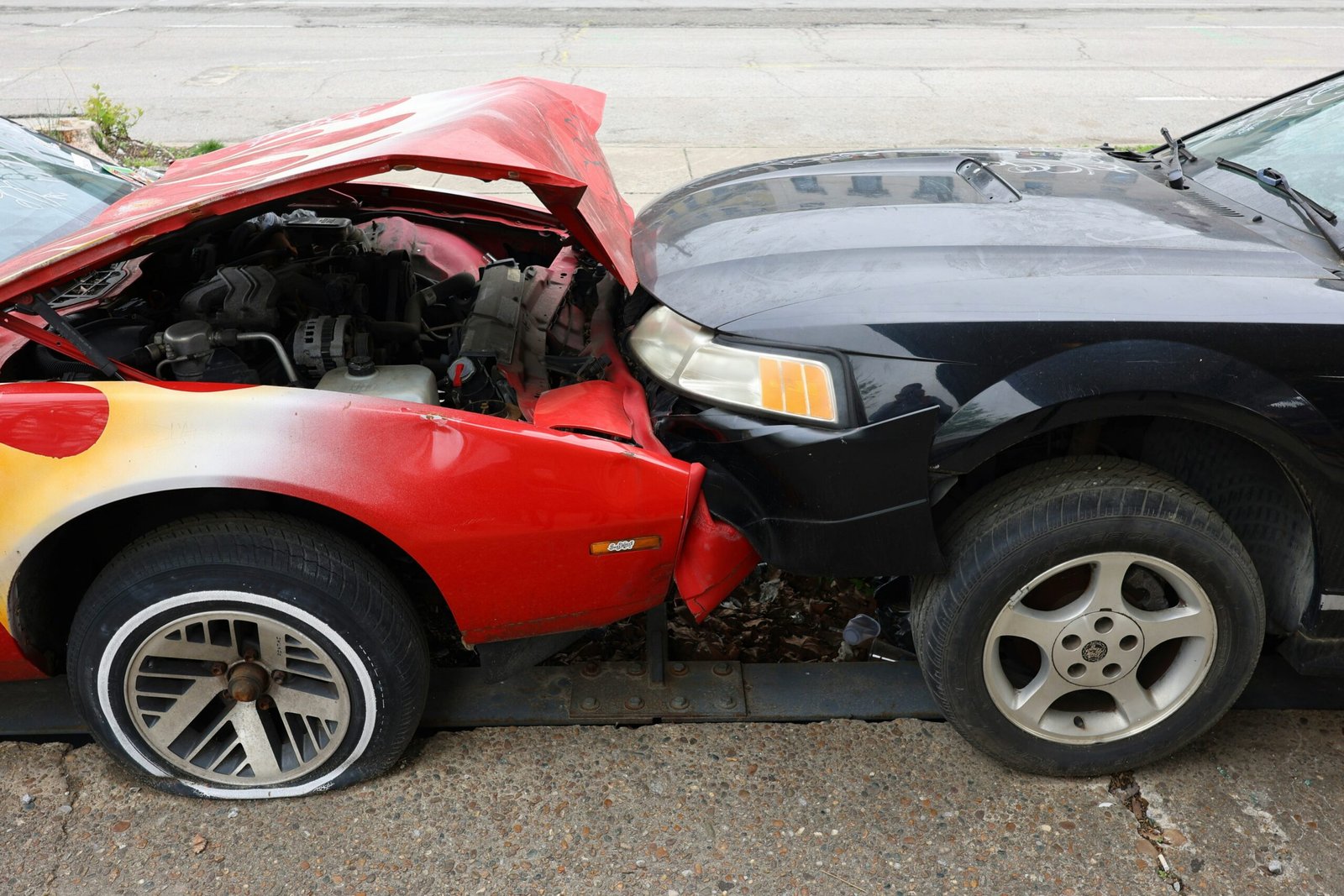
Dealing with a car accident is already a headache, but what happens when the other driver is behind the wheel of a government vehicle? It’s a whole different ballgame compared to a typical fender-bender. The good news is, you absolutely still have rights and avenues for seeking damages. However, the process is definitely more complex and involves specific legal hurdles you need to be aware of.
Understanding the Basics: When a Government Vehicle is Involved
When you’re in a crash with a government vehicle – think police cars, city buses, maintenance trucks, or even mail carriers – the rules change. You can’t just file a lawsuit against the driver in the same way you would if they were a private citizen. There are specific procedures and deadlines you must follow. Missing these can mean losing your chance to get compensation, no matter how clear the other party’s fault is. This isn’t about bureaucracy for bureaucracy’s sake; it’s about how different jurisdictions handle claims against public entities.
If you are involved in a collision with a government vehicle, understanding the legal implications is crucial. A related article that delves into the complexities of court claims in such cases can provide valuable insights. For more information on this topic, you can read the article here: Car Accident Lawyer Court Claims Involving Collisions With Government Vehicles. This resource offers guidance on navigating the legal landscape and the specific considerations that come into play when dealing with government entities.
The Crucial First Step: The Administrative Claim
This is where things diverge significantly from standard car accident claims. Before you can even think about suing the government, you almost always have to file a formal administrative claim with the specific government agency involved.
Why an Administrative Claim is Required
- Sovereign Immunity: Governments historically enjoyed “sovereign immunity,” a legal doctrine that protected them from lawsuits. While this has been largely modified by statutes, the requirement to file an administrative claim is a remnant of this concept. It gives the government entity notice of the claim and an opportunity to investigate and potentially settle it before extensive litigation begins.
- Notice and Investigation: The government needs to be aware of the incident so they can conduct their own investigation. This allows them to gather evidence, interview their employees, and assess the situation while everything is still fresh.
Filing Deadlines Are Non-Negotiable
This is the most critical point. These deadlines are much shorter than standard personal injury statutes of limitations.
- California Example: In California, under the Tort Claims Act, you typically have just six months from the date of the incident to file this administrative claim. That’s a tight window, and it applies to situations involving government vehicles and even poorly maintained public roads. If you miss this deadline, your claim is likely to be barred.
- Other States: While the exact timeframe varies by state, other states also have significantly reduced deadlines for claims against government entities. For instance, while Ohio generally has a two-year statute of limitations for personal injury, claims against government entities for road defects or maintenance have exceptions and require careful attention to timely notice.
- The Clock is Ticking: It’s not just your attorney who needs to be aware of this; you, as the injured party, need to understand that time is of the essence from day one. Don’t delay in seeking legal counsel.
What to Include in the Administrative Claim
While the exact requirements differ, a well-drafted administrative claim will typically include:
- Your Information: Full name, address, and contact details.
- Incident Details: Date, time, and exact location of the accident.
- Vehicle Information: Description of the government vehicle (make, model, license plate if known) and your vehicle.
- How the Incident Occurred: A clear, concise description of the accident.
- Injuries and Damages: A description of your injuries and property damage.
- Amount of Compensation Sought: While not always mandatory, it’s often advisable to provide an estimate of your damages.
- Supporting Documentation: Police reports, photos, medical bills, repair estimates.
Navigating Governmental Immunity and Exceptions
Even with the administrative claim filed, the government can still try to avoid responsibility by invoking governmental immunity. This is a complex legal area, and your attorney will need to investigate if any exceptions apply to your situation.
When Immunity Might Not Apply
- Operational Negligence: If the government employee was acting negligently while performing their duties – for example, speeding, running a red light, or driving while distracted – immunity might be overcome.
- Defective Equipment: If the government vehicle was in a dangerous condition due to faulty maintenance or equipment, this could be a basis for a claim.
- Dangerous Road Conditions: As mentioned, claims related to poorly maintained roads or dangerous conditions on public property often fall under specific statutes that allow for claims against the government. This is distinct from a collision with a government vehicle but often involves similar procedural hurdles.
The Role of Your Attorney
An experienced car accident lawyer who specializes in claims against government entities will know how to research these immunities and identify relevant exceptions. They can argue why the government should be held liable in your specific case, even if broad immunity might otherwise apply. This requires a deep understanding of state laws and prior court rulings.
The Legal Claim Process: After the Administrative Claim
Once you’ve filed your administrative claim, you enter a waiting period. The government entity will review it.
Waiting for a Response or Denial
- Acceptance: In rare cases, the government might accept your claim and offer a settlement.
- Denial: More commonly, the claim will be denied. This denial could be outright or based on technicalities like missing a deadline or insufficient information.
- No Response: Many Tort Claims Acts specify a period within which the government must respond. If they don’t, it’s often treated as a denial, allowing you to proceed to court.
Filing a Lawsuit: The Next Step
If your administrative claim is denied, or if the government fails to respond within the statutory period, you can then file a lawsuit in the appropriate court.
- Strict Timelines for Lawsuits: There are additional deadlines for filing a lawsuit after your administrative claim has been denied or deemed denied. Missing these can be just as fatal to your case as missing the initial administrative claim deadline. For example, after a denial in California, you typically have six months to file a lawsuit.
- Choosing the Right Court: Your attorney will determine whether the case should be filed in state or federal court, depending on the specifics of the claim and the parties involved.
If you are involved in a collision with a government vehicle, understanding your legal rights is crucial. A related article that provides valuable insights on this topic can be found here: Car Accident Lawyer Court Claims Involving Collisions With Government Vehicles. This resource outlines the specific challenges and considerations when filing a claim against a government entity, helping you navigate the complexities of such cases effectively.
Comparative Fault and Its Impact
Many states, including California and Ohio, operate under a system of comparative fault for car accident claims. This means that if you are found partially responsible for the accident, it can affect the amount of compensation you receive.
How Comparative Fault Works
- Modified Comparative Fault: In states like Ohio, you can recover damages as long as your fault is less than or equal to 50%. Your compensation will be reduced by your percentage of fault. If your fault is greater than 50%, you recover nothing.
- Pure Comparative Fault: In states with pure comparative fault, you can recover damages regardless of your percentage of fault, but your award will be reduced by your share of the blame.
The Challenge with Government Vehicles
- Attributing Fault: When a government vehicle is involved, proving the other driver’s fault is crucial. However, the other driver might try to argue that you were also at fault, especially if you were operating a private vehicle.
- Evidence is Key: Your attorney will need to gather strong evidence – witness statements, accident reconstruction, and police reports – to demonstrate the negligence of the government vehicle’s driver and minimize any accusations of your own fault.
Why Legal Expertise is Essential
A skilled attorney understands how comparative fault rules will be applied in your specific case. They can build a strong defense against accusations that you were at fault and argue effectively for the extent of the government’s liability.
What Damages Can You Recover?
If your claim is successful, you can seek compensation for various losses resulting from the accident.
Types of Damages
- Medical Expenses: This includes costs for ambulance transport, hospital stays, doctor’s visits, surgeries, medication, physical therapy, and any future medical care required due to your injuries.
- Lost Wages: If your injuries prevent you from working, you can recover compensation for the income you’ve lost. This includes both past lost wages and any loss of future earning capacity if your injuries have long-term effects on your ability to work.
- Pain and Suffering: This compensates you for the physical pain, emotional distress, and mental anguish you have endured as a result of the accident.
- Property Damage: This covers the cost of repairing or replacing your vehicle and any other personal property damaged in the collision.
- Other Out-of-Pocket Expenses: This can include things like rental car costs, transportation to medical appointments, and necessary home modifications if your injuries are severe.
Limitations on Damages
It’s important to be aware that some states have caps or limitations on certain types of damages, particularly non-economic damages like pain and suffering, when claims are made against government entities. An experienced attorney will be familiar with these limitations and how they might affect your case.
Choosing the Right Attorney for Your Case
Given the specialized nature of claims involving government vehicles, selecting the right legal representation is paramount.
What to Look For
- Experience with Government Claims: Don’t just hire any car accident lawyer. You need someone who has a proven track record of handling claims against municipalities, state agencies, or federal entities. They’ll understand the specific laws, procedures, and the unique challenges involved.
- Understanding of Tort Claims Acts: This is crucial. Your lawyer needs to be intimately familiar with your state’s Tort Claims Act and its requirements, especially regarding those strict filing deadlines for administrative claims.
- Investigation Skills: Government investigations can be thorough, and yours needs to be too. A good lawyer will know how to gather all necessary evidence, including accident reports, witness statements, and potentially expert testimony.
- Negotiation Prowess: While some cases go to trial, many are settled through negotiation. You want an attorney who can effectively negotiate with government insurance adjusters or legal counsel.
- Communication: You need an attorney who will keep you informed about the progress of your case and explain the complex legal steps in a way you can understand.
In summary, while collisions with government vehicles present a more intricate legal landscape, your ability to seek justice and compensation remains. The key is understanding the unique procedural requirements, acting swiftly to meet strict deadlines, and partnering with an experienced attorney who can expertly navigate the complexities of governmental immunity and tort claims. Don’t let the bureaucracy deter you; with the right guidance, you can pursue a fair outcome.
FAQs
What is a car accident lawyer?
A car accident lawyer is a legal professional who specializes in representing individuals who have been involved in car accidents. They provide legal counsel and representation to help their clients navigate the complexities of insurance claims, court proceedings, and settlements related to car accidents.
What are court claims involving collisions with government vehicles?
Court claims involving collisions with government vehicles refer to legal cases where individuals seek compensation for damages and injuries resulting from car accidents involving vehicles owned or operated by government entities. These claims can involve federal, state, or local government agencies, and may require specialized legal expertise.
What types of government vehicles can be involved in collisions?
Government vehicles involved in collisions can include police cars, fire trucks, ambulances, public transportation vehicles, and other vehicles owned or operated by government agencies. These collisions can occur during emergency responses, routine operations, or other government-related activities.
What are the unique challenges of pursuing court claims involving government vehicles?
Pursuing court claims involving government vehicles can present unique challenges due to the involvement of government entities. These challenges may include navigating sovereign immunity laws, complying with specific legal procedures, and addressing potential limitations on damages and liability.
How can a car accident lawyer assist with court claims involving government vehicles?
A car accident lawyer with experience in handling court claims involving government vehicles can provide valuable assistance by navigating the complexities of government liability, advocating for fair compensation, and representing their clients in court proceedings. They can also help clients understand their legal rights and options in these specific types of cases.