Dysregulated acylcarnitine metabolism in disease

Dysregulated acylcarnitine metabolism is essentially a breakdown in how our bodies process and utilize fats, specifically a group of molecules called acylcarnitines. These molecules are crucial for moving fatty acids into our mitochondria – the powerhouses of our cells – where they can be burned for energy. When this system goes awry, it can have … Read more


Cellular serine phosphorylation signaling events

So, what exactly are cellular serine phosphorylation signaling events? Simply put, they’re crucial molecular switches inside our cells. Imagine tiny little light switches on proteins. When a phosphate group (a small chemical tag) attaches to a serine amino acid on a protein, it’s like flipping that switch on or off. This change can drastically alter … Read more

Mitochondrial amino acid oxidation pathways

So, you’re curious about how your cells break down amino acids for energy, specifically within those tiny powerhouses called mitochondria? That’s a great question, and it gets right to the heart of how our bodies fuel themselves. In a nutshell, mitochondrial amino acid oxidation pathways are a series of complex biochemical reactions that take place … Read more

Altered succinate dehydrogenase signaling networks

It’s understandable to wonder about “altered succinate dehydrogenase signaling networks.” In a nutshell, this refers to how the cell’s powerhouses, specifically a key enzyme called succinate dehydrogenase (SDH), can go a little haywire in how they interact with other cellular signals. This disruption can have quite significant consequences for how cells function and can be … Read more

Cellular glycosphingolipid metabolism disruptions

Glycosphingolipids (GSLs) are a fascinating group of lipids found in cell membranes, and disruptions to their metabolism can lead to a whole host of problems. In a nutshell, when the delicate balance of making, modifying, and breaking down these essential molecules goes awry, it can have significant consequences for cell function and overall health. Think … Read more

Dysregulated phosphoglycerate kinase activity

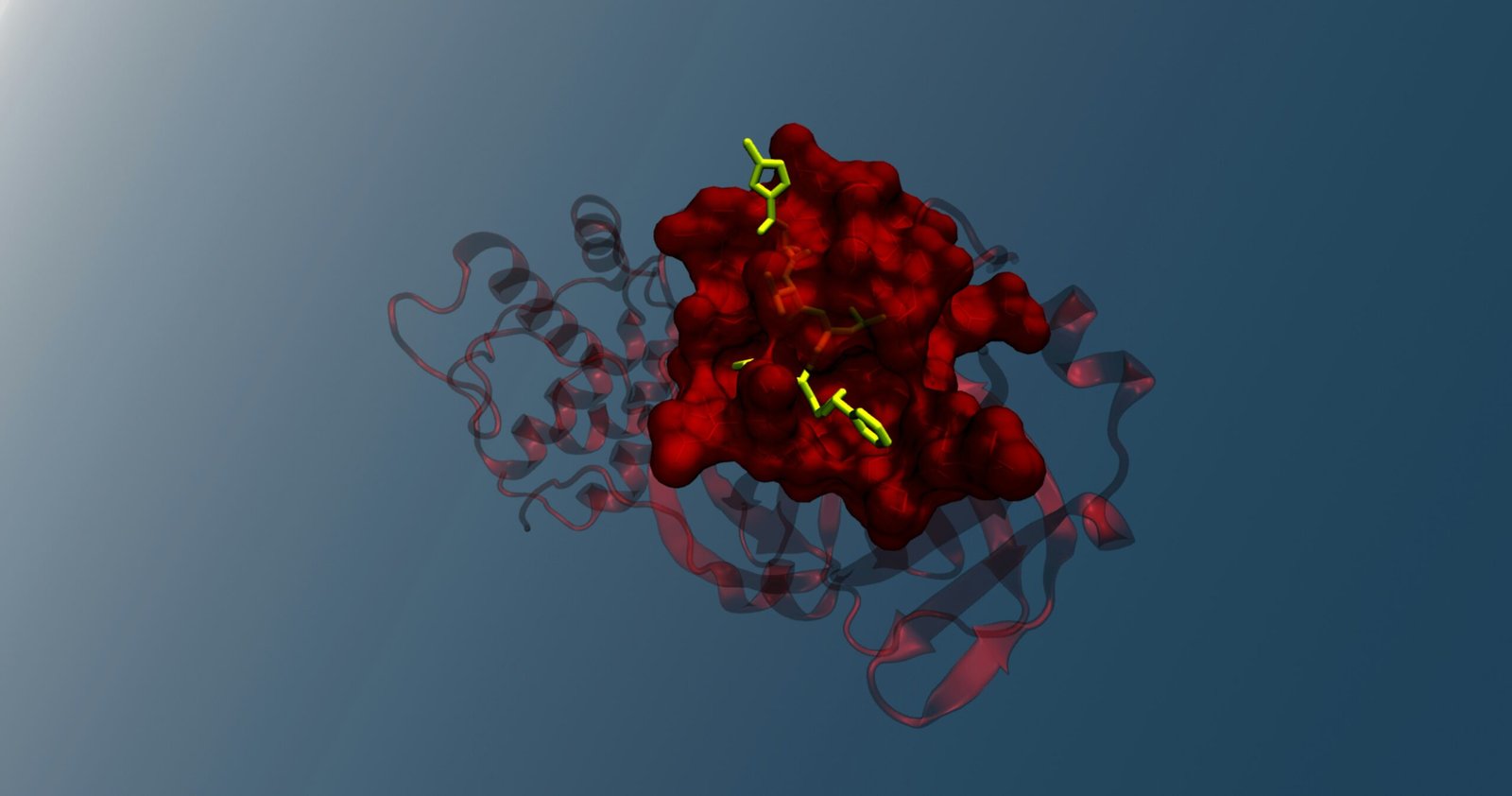
Dysregulated phosphoglycerate kinase (PGK) activity means that the enzyme PGK isn’t working as it should, either overactive or underactive, which messes up its vital roles in our cells. PGK is crucial for glycolysis, a fundamental process cells use to get energy. When PGK goes haywire, it can lead to a cascade of problems affecting energy … Read more

Mitochondrial fumarate accumulation in disease

So, what’s the deal with too much fumarate hanging around in our mitochondria and what does it mean when we’re talking about diseases? Simply put, mitochondrial fumarate accumulation is a sign that something’s gone wrong with how our cells produce energy, and it’s increasingly being linked to a variety of health problems. This isn’t some … Read more

Mitochondrial NAD+ regeneration pathways

NAD+ is a really important coenzyme involved in a ton of cellular processes, especially those related to energy production. When we talk about “mitochondrial NAD+ regeneration,” we’re essentially looking at how our cells, specifically the mitochondria, keep a steady supply of fresh NAD+ available for all these critical reactions. Think of it like recharging a … Read more

Cellular transketolase function in metabolic regulation

You’ve probably heard about how our bodies process food for energy, but there’s a particular enzyme, transketolase, that plays a surprisingly big role in keeping things running smoothly. It’s not just about making energy; transketolase is a key player in how our cells manage metabolic pathways, especially when it comes to handling sugars and producing … Read more