Light plays a bigger role in how we feel at home than many of us realize. It’s not just about being able to see; the color, intensity, and even the direction of light can subtly but surely nudge our moods throughout the day. Think of it as a natural rhythm setter, influencing everything from our energy levels to our ability to relax.
The Morning Wake-Up Call: Embracing Natural Light
That first burst of daylight is your body’s cue that it’s time to get going. When natural light hits your eyes, it signals your brain to reduce melatonin production, the hormone that makes you feel sleepy. This is why waking up in a naturally bright room tends to feel more refreshing than groggily reaching for a lamp.
The Power of Sunrise
Even if your bedroom blinds are drawn, the subtle increase in ambient light outside can begin to affect your internal clock. Maximizing this early morning light, even if it’s just by opening curtains, can set a positive tone for the entire day. It’s a free and easy mood booster.
Sunlight and Serotonin
Exposure to sunlight, particularly in the morning, has been linked to increased serotonin production. Serotonin is a neurotransmitter that helps regulate mood, and higher levels are associated with feeling happier and more alert. It’s a biological response that’s been honed over millennia.
Understanding how lighting at home affects your mood throughout the day is crucial for creating a positive living environment. For further insights on this topic, you can explore a related article that delves into the psychological impacts of different lighting styles and how they can enhance your daily life. Check it out here: Angels and Blimps.
Midday Slump Buster: The Role of Brightness
As the day progresses, our energy levels naturally tend to dip. This is where the right kind of lighting can be a real lifesaver. Midday, you generally want lighting that mimics the bright, energizing quality of the sun.
Task Lighting That Works
If you’re spending your midday hours working, reading, or engaging in detailed tasks, bright, focused light is essential. This goes beyond just general room illumination. Think about desk lamps or under-cabinet lighting that casts strong light directly where you need it. Poor task lighting can lead to eye strain, which can really drag down your mood and make you feel more fatigued.
Avoiding the “Moth to a Flame” Effect
Conversely, if your home is dimly lit during the day, especially in the areas where you’re trying to be productive, it can make you feel sluggish and unmotivated. Your brain might interpret the low light as a signal to wind down, even when you need to be active.
Afternoon Wind-Down: Shifting Towards Warmth
As evening approaches, the natural light outside begins to shift to warmer, softer tones. Our bodies naturally prepare for rest during this time, and our home lighting should ideally follow suit. This is about signaling to your brain that it’s time to transition from activity to relaxation.
The Color Temperature Connection
The color of light, measured in Kelvin (K), plays a significant role. Bright, cool-toned lights (higher Kelvin, around 5000K and above) are great for waking up and staying alert. As the day winds down, you want to shift towards warmer tones (lower Kelvin, around 2700K-3000K). These mimic candlelight or sunset and are far more conducive to relaxation.
Dimming for Downtime
Simply having the ability to dim your lights, especially in the afternoon and evening, is a powerful tool. It allows you to gradually reduce the intensity, mirroring the fading daylight and creating a more peaceful atmosphere. This helps your body prepare for sleep by allowing melatonin production to begin earlier.
Evening Ambiance: Creating a Cozy Haven
The evening is prime time for making your home a sanctuary. The lighting you choose here can significantly impact your ability to de-stress and unwind. Harsh overhead lighting is rarely the best choice when you’re trying to relax.
Layering Light for Depth
Instead of relying on one big light source, try layering different types of lighting. This could include floor lamps, table lamps, accent lights, and even candles. Each layer adds a different dimension and allows you to control the mood more precisely. For instance, a soft glow from a table lamp on a side table can be much more inviting than a stark ceiling fixture.
Reducing Blue Light Exposure
Many modern light bulbs, especially LEDs and those in electronic devices, emit a significant amount of blue light. While blue light is great for keeping us alert during the day, it can interfere with melatonin production in the evening, making it harder to fall asleep and can contribute to feelings of restlessness. Being mindful of this, especially in the hours before bed, can make a big difference.
Understanding how lighting at home affects your mood throughout the day can be further explored in a fascinating article about the psychology of color and light. This piece delves into how different hues and intensities can influence emotions and productivity, providing insights that complement the discussion on lighting. If you’re interested in enhancing your living space for better mental well-being, you can read more about it in this related article.
Lighting Design for Mood: Practical Strategies
Thinking about how light affects our mood in specific areas of the home can help us make deliberate choices. It’s not about reinventing the wheel, but rather making small, informed adjustments.
The Bedroom Sanctuary
Your bedroom should be a place for rest and rejuvenation. This means opting for softer, warmer lighting. Ditch the bright overhead fixture if possible, or at least ensure it has a dimmer switch. Bedside lamps with fabric shades are excellent for creating a gentle, diffused light. Consider a smart bulb that can be programmed to dim automatically as bedtime approaches.
The Living Room Vibe
The living room is a multi-purpose space. During the day, you might want brighter, more ambient light for activities. In the evening, however, you’ll want to shift towards a cozier, more relaxed feel. Wall sconces can provide diffused light, while floor and table lamps offer flexibility for creating intimate pockets of light. Layering is key here, allowing you to adjust the light for watching TV, reading, or entertaining.
Kitchen and Dining Harmony
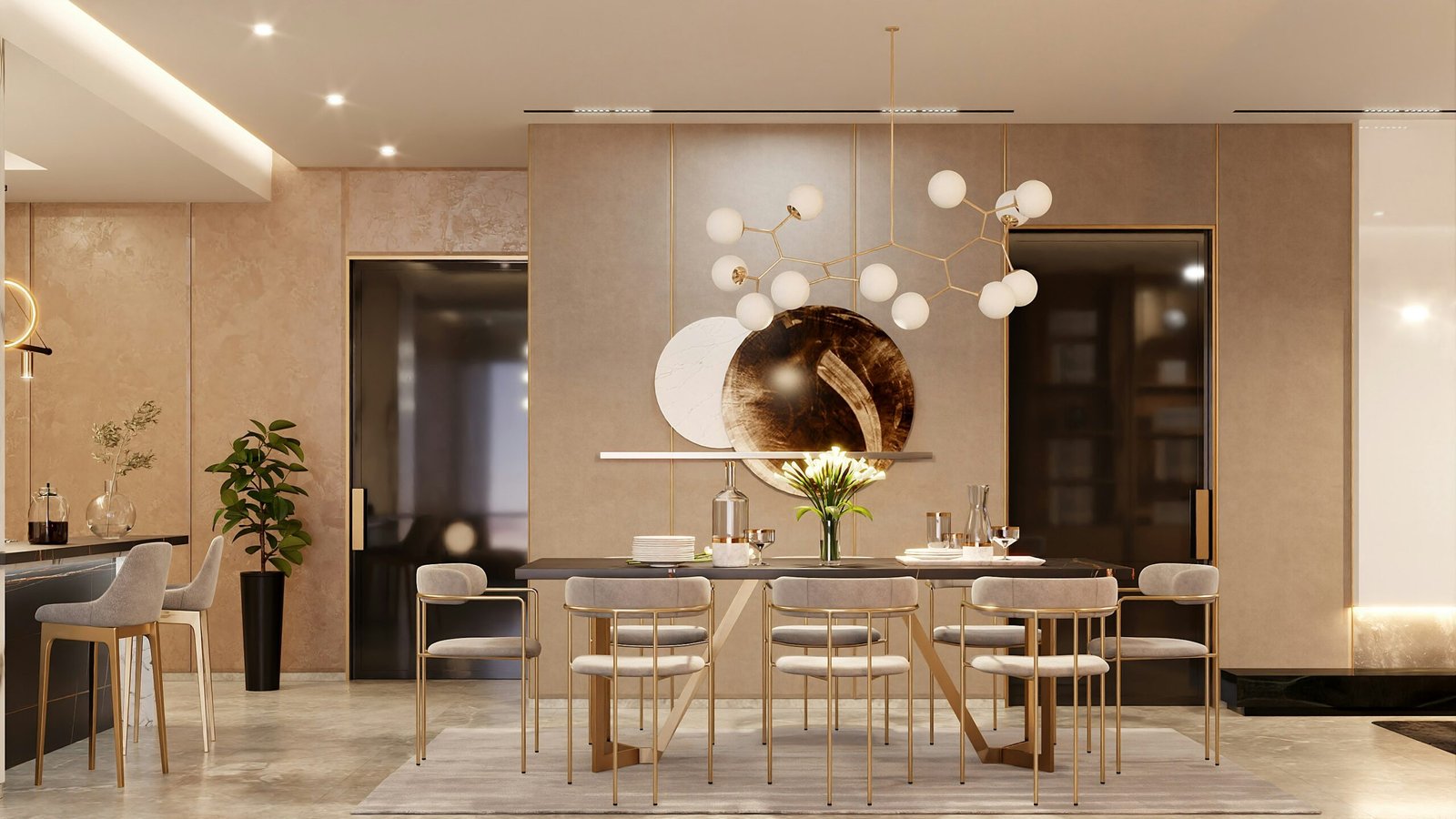
The kitchen often benefits from brighter, more functional lighting, especially for food preparation. Task lighting under cabinets is invaluable. However, for dining, a slightly warmer, more focused light can make meals feel more special. A pendant light over a dining table, positioned at the right height, can create a lovely, intimate atmosphere. Dimmers are your best friend in both these spaces.
Bathroom Brightness and Bliss
Bathrooms require a balance. You need sufficient light for tasks like grooming and applying makeup, but you also want it to be a place where you can relax, perhaps during a bath. Good vanity lighting, ideally positioned on either side of a mirror, provides even illumination. Consider a dimmer for the main light, and perhaps a small, warm-toned light near the tub for a more spa-like feel.
Beyond the Bulb: Smart Lighting and Natural Rhythms
The advent of smart lighting offers even more control over your home’s ambiance. These systems allow you to schedule lighting changes, adjust color temperatures and brightness remotely, and even mimic natural daylight cycles.
Mimicking the Sun’s Cycle
Many smart lighting systems offer “circadian rhythm” or “natural daylight” modes. These programs automatically adjust the color temperature and brightness of your lights throughout the day to align with the sun’s natural progression. In the morning, lights are brighter and cooler; as evening approaches, they become warmer and dimmer, supporting your body’s natural sleep-wake cycle.
Personalized Mood Settings
Beyond automatic settings, smart lighting allows for personalized “scenes.” You can create specific lighting moods for different activities – a “reading” scene with focused, warm light, an “entertaining” scene with a softer, more diffused glow, or a “movie night” scene with very dim, ambient lighting. This level of customization gives you precise control over the emotional atmosphere of your home.
Energy Efficiency and Mood
It’s worth noting that many modern lighting solutions, particularly LEDs, are also highly energy-efficient. This means you can achieve your desired mood without significantly impacting your electricity bill, making it a practical and sustainable choice for enhancing your home environment and how you feel within it.
FAQs
1. How does lighting at home affect your mood throughout the day?
Lighting at home can have a significant impact on your mood throughout the day. Bright, natural light can help increase energy levels and improve mood, while dim, warm light can promote relaxation and calmness.
2. What are the effects of natural light on mood?
Exposure to natural light can help regulate the body’s internal clock, improve mood, and increase productivity. It can also help reduce symptoms of depression and anxiety.
3. How does artificial lighting affect mood?
Artificial lighting, particularly harsh or flickering light, can cause eye strain, headaches, and irritability. It can also disrupt the body’s natural circadian rhythm, leading to sleep disturbances and mood imbalances.
4. What type of lighting is best for different times of the day?
In the morning and during the day, bright, cool light can help increase alertness and productivity. In the evening, warm, dim light can promote relaxation and prepare the body for sleep.
5. How can I optimize lighting at home to improve my mood?
To optimize lighting at home, consider using a combination of natural and artificial light sources. Incorporate daylight as much as possible, and use adjustable lighting fixtures to create different moods throughout the day. Additionally, consider using light bulbs with a color temperature that suits the specific activities and times of day in each room.