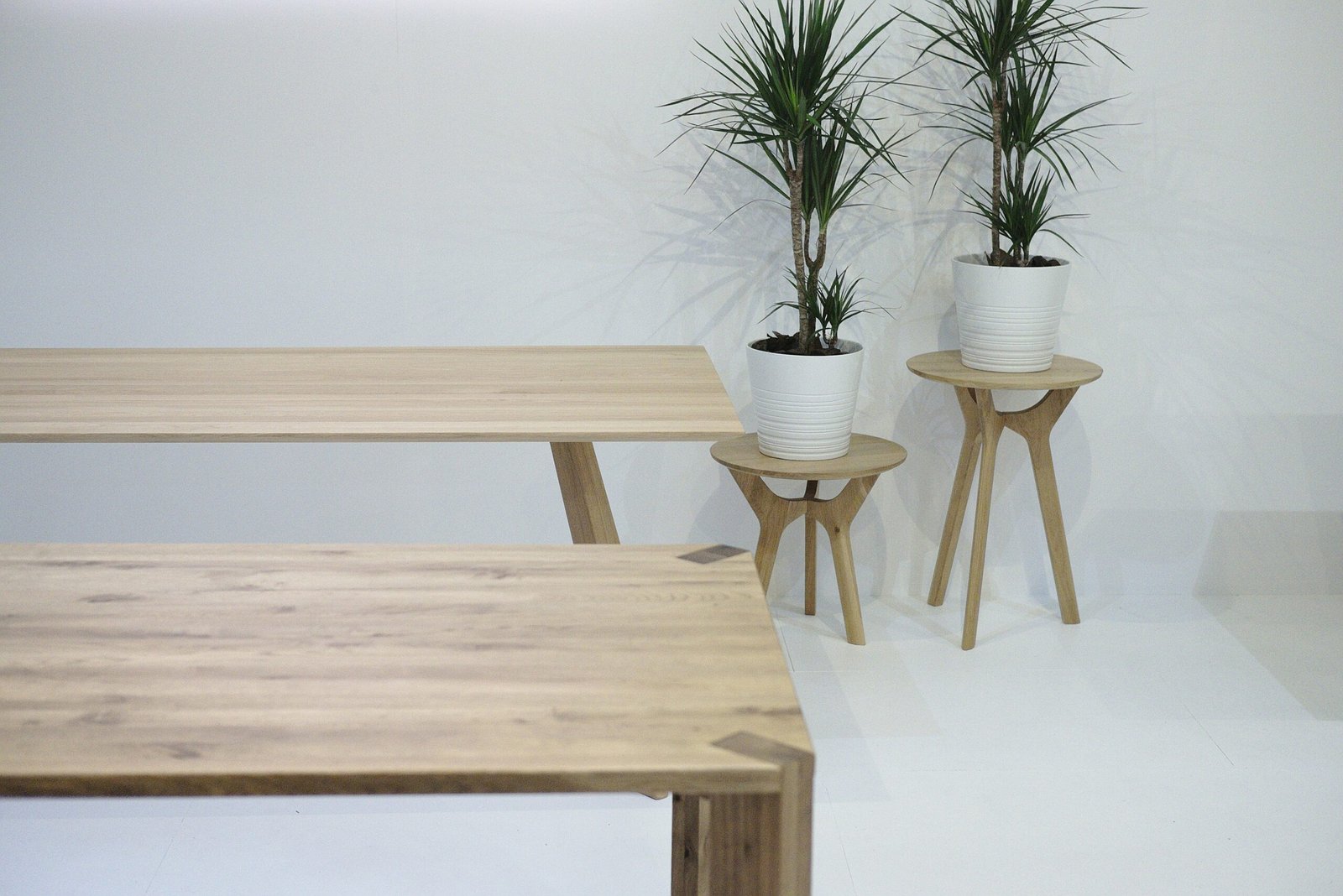
Living with minimal furniture fundamentally reshapes your space, making it feel more open, intentional, and adaptable. Instead of just filling rooms, each piece serves a purpose, contributing to a sense of calm and clarity. It’s not about asceticism; it’s about thoughtful curation and the benefits that flow from less clutter and more breathing room.
One of the first things you notice when embracing minimal furniture is the sheer amount of open space. This isn’t just about square footage on a floor plan; it’s about visual expanse.
The Power of an Empty Corner
An empty corner isn’t a design flaw; it’s an opportunity. Without a sprawling entertainment center or an oversized armchair vying for attention, your eye has room to rest. This visual quietude reduces mental fatigue, making your home feel less demanding and more inviting. It allows you to appreciate the architectural features of your room rather than obscuring them.
Maximizing Natural Light
Furniture, especially bulky pieces, can block windows and absorb light. A minimalist approach often means choosing lighter, smaller furniture, or simply fewer pieces altogether. This allows natural light to penetrate deeper into your rooms, making them feel brighter, airier, and more expansive. Think about a living room with just a small sofa and a coffee table versus one crammed with bookshelves, multiple armchairs, and side tables – the difference in light absorption is palpable.
If you’re interested in exploring how minimalism can transform your living environment, you might find the article on the benefits of decluttering particularly insightful. It delves into the psychological and aesthetic advantages of reducing excess belongings, complementing the ideas presented in “How Living With Minimal Furniture Changes Your Space.” To read more about this topic, visit this article for a deeper understanding of how a simplified lifestyle can enhance your home and well-being.
Redefining Functionality and Purpose
When you have less furniture, each item needs to work harder. This forces a re-evaluation of what you truly need and how each piece contributes to your daily life.
Multi-Functional Furniture Takes Center Stage
In a minimalist setting, a coffee table isn’t just for holding drinks; it might also have hidden storage, or perhaps it’s light enough to be moved easily to create floor space for yoga. A bench can serve as seating, a surface for books, or even an impromptu dining area. This emphasis on versatility means you get more utility from fewer objects.
Intentionality in Every Purchase
There’s no room for impulse buys when your furniture collection is deliberately small. Every new piece is considered against existing items and the overall aesthetic. This process naturally leads to higher quality investments, as you’re likely to prioritize durability and timeless design over fleeting trends because you know it will be a cornerstone of your space for years to come. This also means you’re less likely to accumulate items that don’t truly serve you or bring you joy.
A Shift in Personal Habits and Lifestyle
Living with less furniture isn’t just about aesthetics; it gently nudges you towards a different way of living. Your daily routines and interactions with your space become more intentional.
Easier Cleaning and Maintenance
Fewer surfaces mean less to dust. Fewer large pieces mean less to move when vacuuming. From a practical standpoint, this significantly reduces the time and effort required to keep your home tidy. What might have been an hour-long chore can shrink to a quick tidy-up, freeing up valuable time for other activities. This simplified maintenance contributes to a consistently calmer environment.
Encouraging Decluttering Beyond Furniture
Once you see the benefits of minimal furniture, it often creates a ripple effect. You start to question other possessions. Do you really need all those decorative ornaments? Are those stacks of magazines serving a purpose? The principles of thoughtful curation tend to extend to clothing, books, and other household items, leading to a more generally decluttered life. It fosters a mindset of “enough” rather than “more.”
Enhanced Flexibility and Adaptability
A sparsely furnished room is inherently more adaptable. Need a temporary workspace? Clear a corner. Want to host a group for a board game night? Chairs can be easily rearranged or brought in from other rooms without feeling like you’re playing Tetris with your existing layout. This flexibility is a significant advantage in modern living, where needs and activities within a single space can change quickly.
The Psychological and Emotional Benefits
Beyond the tangible, living with minimal furniture has a profound impact on your mental well-being. It’s about creating an environment that supports focus and reduces everyday stress.
Reduced Stress and Improved Focus
Clutter can be mentally taxing. Our brains are constantly processing information, and a room full of visual distractions can contribute to a sense of overwhelm. A minimalist space, with its clear lines and open areas, offers a visual respite. This can lead to reduced stress, improved concentration, and a greater sense of calm when you are in your home. It’s easier to relax when your environment isn’t screaming for your attention.
Fostering a Sense of Calm and Tranquility
The absence of excess noise, both auditory and visual, contributes to a profound sense of tranquility. Imagine walking into a room where every item has its place and nothing feels superfluous. This fosters a meditative quality, allowing you to unwind more effectively. There’s a direct correlation between an uncluttered environment and an uncluttered mind.
Encouraging Mindfulness and Presence
When your space isn’t filled with distractions, it encourages you to be more present within it. You’re less likely to be mentally scanning objects or thinking about what needs organizing. Instead, you can focus on the activity at hand, whether it’s reading, conversing, or simply enjoying a quiet moment. This heightened awareness can extend to other aspects of your life, promoting a more mindful existence. It’s about being in the space, not just around the stuff.
Living with minimal furniture can significantly transform your space, creating an atmosphere of openness and tranquility. For those interested in exploring the psychological benefits of decluttering and minimalism, a related article discusses how simplifying your environment can lead to increased focus and reduced stress levels. You can read more about this fascinating topic in the article here. By embracing a minimalist lifestyle, you not only enhance the aesthetic appeal of your home but also cultivate a sense of peace and clarity in your daily life.
Rethinking Aesthetics and Personal Expression
| Benefits of Living with Minimal Furniture | Challenges of Living with Minimal Furniture |
|---|---|
| Creates a sense of spaciousness | May require more creative storage solutions |
| Promotes a clutter-free environment | Can feel empty or bare initially |
| Easier to clean and maintain | Limited seating for guests |
| Encourages mindful consumption | Less flexibility in room arrangement |
Minimal furniture isn’t about blandness or sterility. It’s about a different, often more profound, way of expressing personal style.
A Focus on Quality Over Quantity
When you only have a few pieces of furniture, their quality becomes paramount. You’re more likely to invest in well-made, durable items that are both functional and aesthetically pleasing. This shift away from disposable trends means appreciating craftsmanship and enduring design, which often have their own inherent beauty. It becomes about celebrating the integrity of an object.
Emphasizing Art and Natural Elements
In a simple space, artwork, plants, and natural light take on a stronger presence. Without competition from numerous furniture pieces, these elements can truly shine and become focal points. A single striking piece of art, a vibrant houseplant, or even the view from a window can become powerful design statements, grounding the room and providing visual interest. It allows the personality of your chosen decorative items to come through more clearly.
Creating a Canvas for Life
Ultimately, a minimally furnished space acts as a backdrop for your life, rather than dominating it. It’s a canvas that allows your activities, your relationships, and your personal growth to take center stage. The space supports your life rather than dictating it, offering flexibility and freedom. This makes a home feel truly lived in and authentic, not just a showroom. Your personal story is easier to see when it’s not obscured by things.
FAQs
1. What are the benefits of living with minimal furniture?
Living with minimal furniture can create a sense of spaciousness, promote better organization, and reduce clutter in the living space. It can also make cleaning and maintenance easier and contribute to a more minimalist and aesthetically pleasing environment.
2. How does minimal furniture change the overall feel of a living space?
Minimal furniture can make a living space feel more open, airy, and uncluttered. It can also create a sense of tranquility and simplicity, promoting a more relaxed and peaceful atmosphere.
3. What are some key considerations when transitioning to a minimal furniture lifestyle?
When transitioning to a minimal furniture lifestyle, it’s important to carefully assess the functionality and necessity of each piece of furniture. It’s also crucial to prioritize quality over quantity and invest in versatile, multi-functional pieces that can serve multiple purposes.
4. Can living with minimal furniture save money in the long run?
Living with minimal furniture can potentially save money in the long run by reducing the need to purchase and maintain numerous pieces of furniture. Additionally, investing in high-quality, timeless pieces can result in long-term cost savings compared to constantly replacing cheaper, less durable furniture.
5. How can minimal furniture impact the overall design and aesthetics of a living space?
Minimal furniture can contribute to a clean, modern, and sophisticated design aesthetic. It allows for a greater focus on the architectural elements of the space and can create a visually appealing, uncluttered environment.