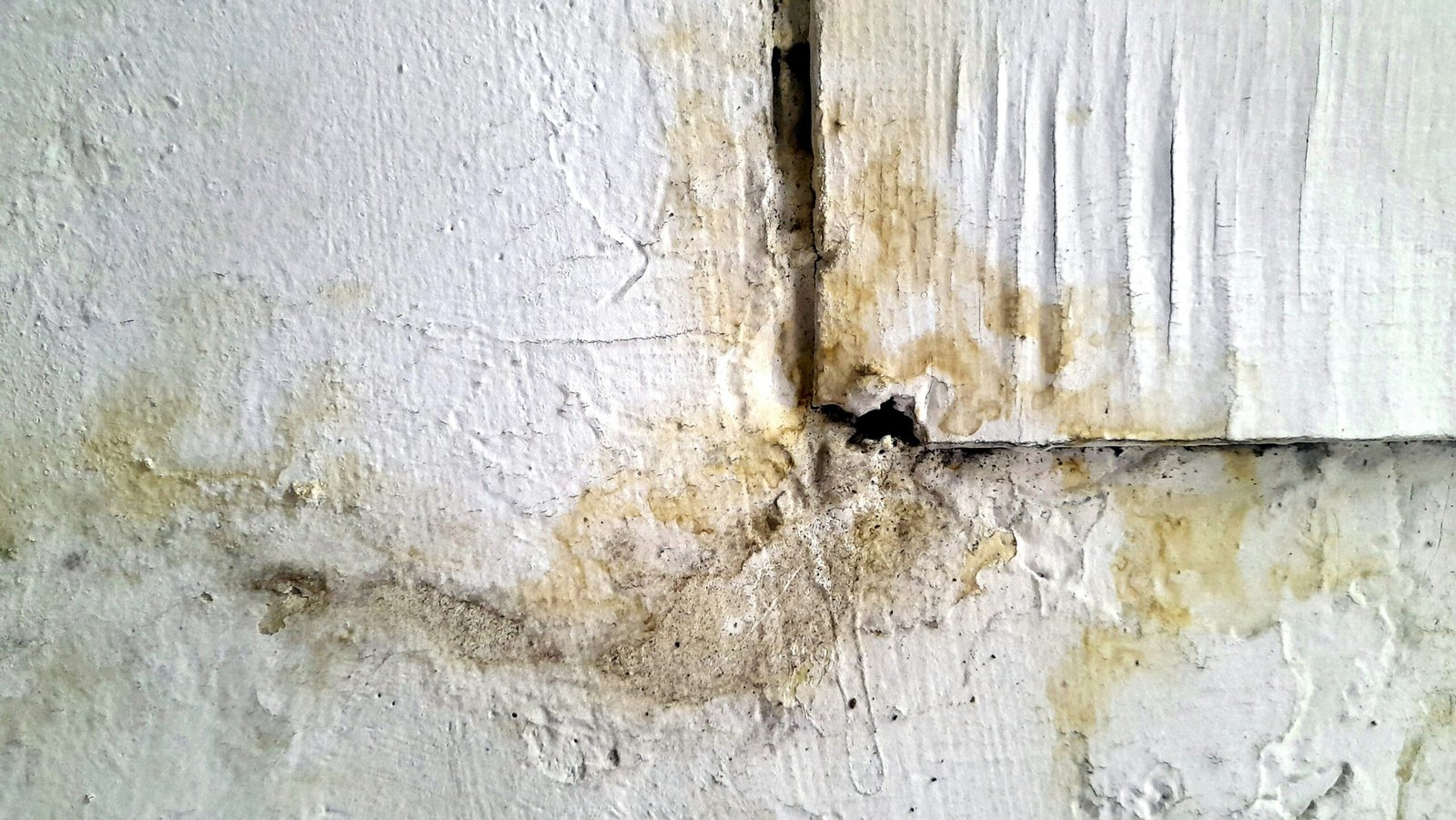
Okay, let’s talk about fixing up your home after termites have had a little too much fun. In short, repairing structural damage from prolonged termite activity can be a significant undertaking, often involving replacing compromised wood and reinforcing affected areas. It’s not just about patching things up; it’s about ensuring your home remains safe and sound.
Before we jump into the repair, it’s crucial to grasp what termite damage actually looks like and how extensive it can be. Unlike a leaky faucet, termite damage isn’t always immediately obvious. These tiny critters are masters of discretion.
Different Types of Termites and Their Impact
Not all termites are created equal, and knowing which kind you’re dealing with can give you a clue about the potential severity and type of damage.
- Subterranean Termites: These are the most common and often the most destructive. They build mud tubes to travel between their colonies in the soil and your home, preferring damp, dark areas. Their damage typically manifests as hollowing out wood from the inside, leaving only a thin veneer. You might notice a “hollow” sound when tapping on affected timbers.
- Drywood Termites: These termites live entirely within the wood they infest, meaning no soil contact needed. They create galleries and kick out fecal pellets, known as frass, which look like tiny, grainy piles, often indicating their presence. Their damage can be widespread within a single piece of wood, weakening its integrity.
- Dampwood Termites: Less common in many areas, these termites are attracted to wood with high moisture content or wood rot. While they can cause significant damage, their presence often points to an underlying moisture problem that also needs addressing.
Identifying the Extent of Damage
Locating the damage is the first step. This isn’t always easy, as termites are often hidden.
- Visual Cues: Look for mud tubes, discolored or blistering wood (which might indicate hollowed-out areas beneath), tiny holes, sagging floors or ceilings, and stuck windows or doors. Frass, as mentioned, is a key indicator for drywood termites.
- Sounding Out: Tapping on wood with a hammer or screwdriver can reveal hollow spots.
- Professional Inspection: Frankly, this is your best bet. A trained pest control professional can often identify hidden colonies and assess the extent of damage far better than a homeowner. They might use specialized tools like moisture meters, thermal imagers, or even borescopes to peek inside walls.
If you’re looking for more information on addressing the aftermath of termite infestations, you might find the article on “Repairing Structural Damage From Prolonged Termite Activity” particularly insightful. It delves into the various methods of assessing and repairing damage caused by these pests, ensuring that your home remains safe and structurally sound. For additional resources and tips on pest control and home maintenance, check out this related article at Angels and Blimps.
Safety First: Before You Start Repairs
Before you even think about swinging a hammer, there are some critical safety considerations. You’re dealing with structural integrity here, and rushing into things could make matters worse or put you at risk.
Ensuring Termites are Gone
This is non-negotiable. Don’t start repairing until you are absolutely certain the termite infestation has been eradicated. Otherwise, you’re just putting a band-aid on a gushing wound.
- Professional Pest Control: This is where you bring in the experts. They will apply treatments (liquid termiticides, baits, fumigation) designed to eliminate the colony. Get a warranty for their work, and ideally, a follow-up inspection to confirm eradication.
- Ongoing Monitoring: Even after treatment, it’s smart to have a plan for ongoing monitoring to catch any new activity early.
Assessing Structural Stability
Once the termites are gone, you need to understand how much the integrity of your home has been compromised. This isn’t a DIY job for significant damage.
- Consulting a Structural Engineer: For any substantial damage to load-bearing walls, floor joists, roof trusses, or foundation elements, hire a licensed structural engineer. They can assess the remaining strength of compromised components, recommend specific repair methods, and design replacement or reinforcement plans. Their report will be invaluable for contractors.
- Temporary Shoring: If there’s any doubt about the immediate stability of an area, temporary shoring or bracing may be necessary before any repair work begins. This is particularly important for severely damaged floor joists or rafters.
Repairing Damaged Wood Components

This is where the actual hands-on work begins. Different parts of your home will require different approaches to repair.
Replacing Damaged Timbers
Often, replacement is the safest and most effective option for severely damaged wood.
- Identifying Critical Components: Focus on load-bearing elements: floor joists, wall studs, roof rafters, sole plates, top plates, and supporting beams. Even non-load-bearing elements like subflooring or trim can require replacement if heavily damaged.
- Cutting Out Sections: Carefully remove the damaged section of wood. This requires precision. For joists or studs, you’ll need to cut back to sound, solid wood well beyond the visible damage.
- Matching New Wood: Use new wood of the same species and dimensions, treated for rot and insect resistance if possible, especially for areas prone to moisture. Ensure proper grading for structural components.
- Secure Fastening: New pieces must be securely fastened to existing sound structure using appropriate fasteners (nails, screws, structural connectors) and techniques (e.g., sistering alongside existing joists, properly framing in new studs).
Sistering and Reinforcing
Sometimes, full replacement isn’t necessary, or it’s impractical. Sistering and reinforcement can be effective.
- Sistering Joists/Rafters: This involves attaching a new, full-length piece of wood directly alongside an existing, damaged joist or rafter. The new piece effectively carries the load, reinforcing the weakened original. Use strong adhesive and plenty of structural screws. The new sistered piece should ideally extend beyond the damaged portion on both ends.
- Plywood or Steel Plates: For more localized damage or to reinforce connection points, plywood gussets or steel plates can be used. These are typically bolted or screwed into place, spanning the damaged area and distributing the load.
- Post and Beam Reinforcement: If a main support beam or post is compromised, shoring can provide temporary support, followed by the installation of a new, stronger post or beam alongside or beneath the damaged one, transferring the load.
Addressing Secondary Damage and Prevention

Termite damage often isn’t isolated to just one piece of wood. There can be other issues that need attention, and preventing future infestations is paramount.
Repairing Subflooring, Walls, and Ceilings
Once the underlying structural framework is sound, you can tackle the cosmetic and functional damage.
- Subfloor: If termites have damaged the subfloor, it will likely be soft or crumbly. Cut out damaged sections and replace them with new plywood or OSB, ensuring proper attachment to the joists below.
- Drywall/Plaster: Termites can eat through drywall paper and plaster. Remove affected sections, ensuring no active termites remain, and then patch or replace with new material, taping and mudding to seamlessly blend it.
- Insulation: Damaged or tunneled insulation should be removed and replaced.
- Flooring: Any floor coverings (hardwood, carpet, tile) above damaged subflooring or joists will need to be removed during repairs and then reinstalled or replaced.
Moisture Control and Drainage
Termites, especially subterranean and dampwood, love moisture. Addressing water issues is a key preventative measure.
- Fix Leaks: Immediately repair any plumbing leaks, roof leaks, or foundation cracks that allow water intrusion.
- Improve Drainage: Ensure your home’s grading slopes away from the foundation. Clear gutters and downspouts and extend them away from the house. Consider French drains if you have chronic standing water issues.
- Increase Ventilation: Improve ventilation in crawl spaces and attics to reduce humidity. Consider installing vapor barriers in crawl spaces.
- Wood-to-Soil Contact: Eliminate any wood-to-soil contact around your foundation, garage, or decks. This creates an easy entry point for termites.
Repairing structural damage from prolonged termite activity can be a daunting task, but understanding the extent of the damage is crucial for effective restoration. For homeowners looking to gain deeper insights into the signs of termite infestations and preventative measures, a helpful resource can be found in the article on termite control strategies. You can read more about it here. This information can aid in both the repair process and in preventing future infestations, ensuring the longevity of your home’s structure.
Professional Help and Long-Term Protection
| Repairing Structural Damage From Prolonged Termite Activity |
|---|
| 1. Assessment of damage extent |
| 2. Removal of damaged wood and materials |
| 3. Replacement of structural components |
| 4. Treatment of remaining termite infestation |
| 5. Reinforcement of structural integrity |
| 6. Prevention measures for future termite activity |
While some minor repairs might be possible for a skilled DIY enthusiast, for structural damage, professional help is usually the way to go.
When to Hire a General Contractor
For extensive damage involving multiple trades, a general contractor is essential.
- Coordination: A good GC will coordinate all the necessary trades: structural engineers, pest control, carpenters, drywallers, plumbers, electricians, etc.
- Permits: They can navigate the permitting process, which is often required for structural repairs.
- Project Management: They oversee the entire project, ensuring it stays on schedule and budget (as much as possible).
Ongoing Termite Monitoring and Treatment
Repairing the damage is only half the battle. Preventing a recurrence is just as important.
- Regular Inspections: Schedule annual or semi-annual termite inspections with a qualified pest control company. This is your best defense against new infestations.
- Bait Systems: Consider installing bait stations around your home. These are designed to attract foraging termites, who then carry the treated bait back to their colony, eventually eliminating it.
- Perimeter Treatments: Depending on your location and risk, regular perimeter treatments with liquid termiticides can create a protective barrier around your home.
- Maintain Your Property: Keep wood debris, firewood, and thick shrubs away from your foundation. Address any moisture issues promptly. Don’t let new problems creep up after all that hard work.
Repairing structural damage from termites isn’t a fun project, but by approaching it systematically, understanding the work involved, and not shying away from professional help when needed, you can restore your home to a safe and sound condition.
FAQs
What is prolonged termite activity?
Prolonged termite activity refers to the continuous presence and feeding of termites on a structure over an extended period of time, leading to significant damage to the wood and potentially compromising the structural integrity of the building.
How can I identify structural damage from prolonged termite activity?
Signs of structural damage from prolonged termite activity include hollow-sounding wood, buckling or sagging floors, visible tunnels or galleries in wood, and the presence of termite droppings or wings around the infested area.
What are the steps to repairing structural damage from prolonged termite activity?
The first step is to eliminate the termites through professional pest control services. Then, the damaged wood may need to be replaced or reinforced, and any structural repairs should be carried out by a qualified contractor to ensure the building’s safety and stability.
Can I prevent structural damage from prolonged termite activity?
Regular inspections for termite activity, maintaining proper ventilation and moisture control in the building, and treating the wood with termite-resistant products can help prevent prolonged termite activity and subsequent structural damage.
Is it necessary to consult a professional for repairing structural damage from prolonged termite activity?
Yes, it is highly recommended to consult a professional pest control expert and a qualified contractor for assessing and repairing structural damage from prolonged termite activity to ensure the safety and effectiveness of the repairs.