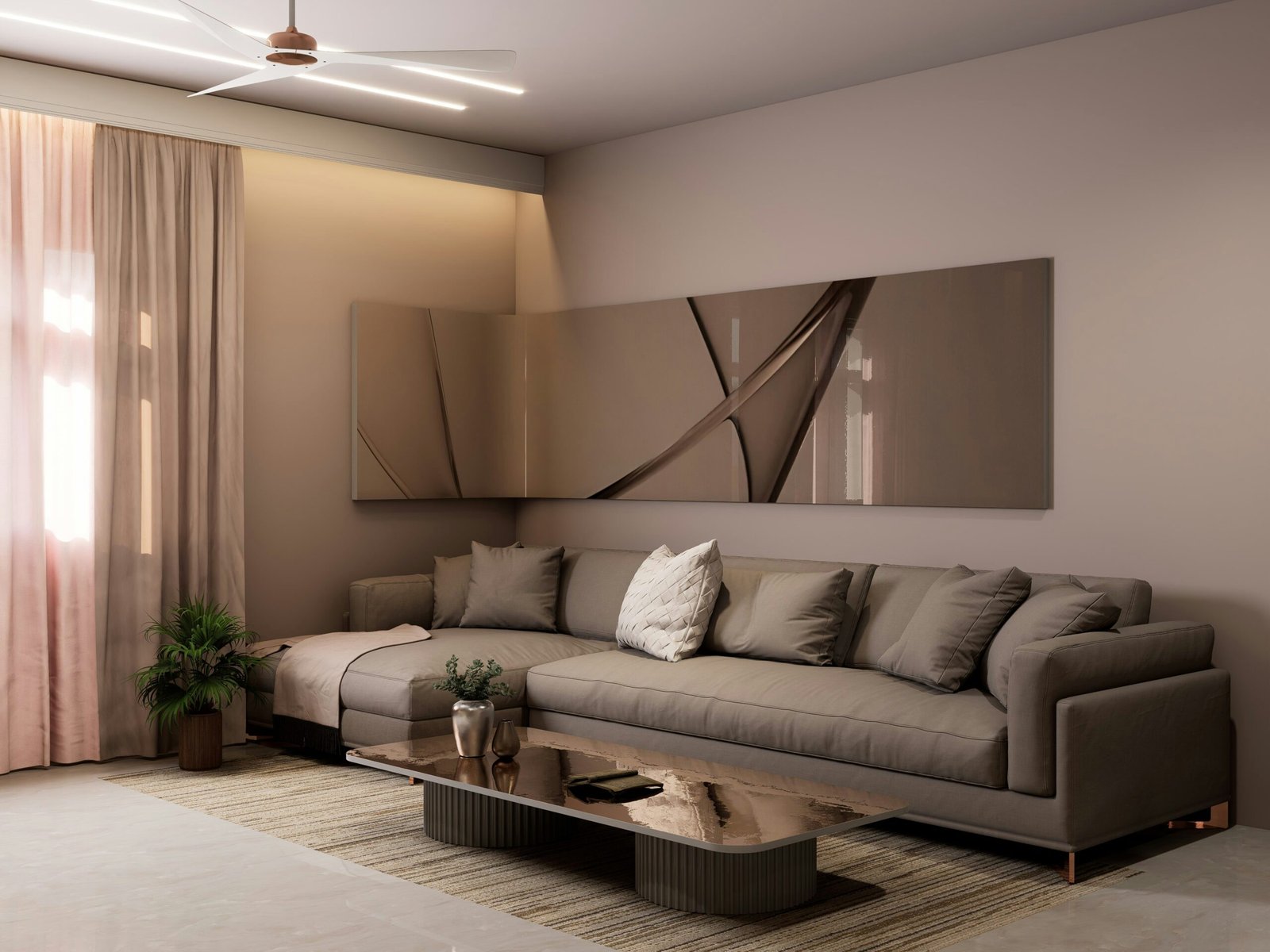
So, you’re thinking about moving your sofa? Excellent. A living room redesign, at its core, is about shifting furniture and defining spaces. What actually happens is more than just a new look; it’s a ripple effect through your daily life, your mood, and even how you interact with others. It’s about optimizing functionality and flow, addressing pain points, and sometimes, just needing a change of pace.
When you first start moving things around, the most obvious impact is how the room looks and feels visually. But it’s not just aesthetics; there are practical implications too.
A Fresh Perspective
Suddenly, the room you’ve seen every day for years looks different. Walls you barely noticed become focal points, or perhaps a window view you underutilized now takes center stage. This immediate visual shift can be surprisingly impactful. It can make a familiar space feel new and exciting without buying a single new item.
Redefined Traffic Flow
This is a big one. The path you take from the entryway to the kitchen, or from the sofa to the TV, is instantly altered.
Smoother Transitions
If you previously had furniture blocking natural pathways, a redesign can open those up. This means less weaving, less bumping, and a more intuitive movement through the space. Think about how often you “cut corners” — a good layout smooths those out.
Bottlenecks Eliminated
Do you always have to squeeze past an armchair to get to the bookshelf? Does the coffee table make it tricky to walk between the sofa and the fireplace? A layout change directly addresses these common frustrations, making daily navigation less of a chore.
Highlighting and Downplaying Elements
Furniture placement dictates what your eye is drawn to. A large window can be framed, or a dated, off-center fireplace can be less prominent if furniture is arranged to draw attention elsewhere.
Creating Focal Points
Want that new piece of art to shine? Place it on a wall that’s naturally visible from your main seating area. Want to emphasize built-in shelving? Arrange seating to face it directly. A good layout can make design elements sing.
Minimizing Distractions
Conversely, if there’s a less appealing architectural feature or a busy area (like a cluttered workspace), thoughtful furniture placement can subtly draw attention away, allowing the more attractive parts of the room to dominate.
If you’re considering a fresh look for your living space, you might find inspiration in the article titled “Transforming Your Space: Tips for a Successful Living Room Redesign” available at Angels and Blimps. This article delves into various strategies for reimagining your living room layout, offering practical advice on furniture arrangement, color schemes, and decor choices that can breathe new life into your home. Whether you’re aiming for a cozy retreat or a modern gathering space, this resource can guide you through the redesign process effectively.
Changes to Functionality and Usage
Beyond just how it looks, a redesign significantly alters how you use your living room. It’s about making the space work harder for you.
Optimizing for Specific Activities
Maybe your old layout was great for TV watching, but terrible for conversation or working from home. A redesign allows you to prioritize.
Better Conversation Areas
If your main goal is facilitating interaction, arranging seating in a way that encourages eye contact and comfortable proximity (without being too close) is key. Moving two sofas to face each other, or adding a pair of armchairs to create a more intimate grouping, can foster better conversations.
Dedicated Zones
Living rooms are often multi-functional. You might want an area for reading, another for watching TV, and a third for kids’ play. A redesign uses furniture to subtly define these zones without needing physical barriers. An area rug can define a conversation nook, or a console table can delineate a work-from-home corner.
Enhancing Comfort and Ergonomics
How comfortable you are in your living room often relates directly to furniture placement.
Improved Seating Arrangements
Is your primary seating too far from the coffee table, making it awkward to reach your drink? Is the reading lamp positioned correctly for your favorite armchair? Small adjustments in placement can significantly improve comfort.
Better Viewing Angles
If your TV is mounted too high or at an awkward angle, it can lead to neck strain. Adjusting the TV’s position or the seating arrangement relative to it can solve these ergonomic issues. Think about line of sight – you shouldn’t have to crane your neck or constantly shift to see the screen comfortably.
Impact on Storage and Organization
Where your storage pieces live can dramatically affect how tidy and organized your living room stays.
More Accessible Storage
If a console table is behind the sofa and hard to reach, it’s less likely to be used for everyday items. Bringing storage closer to where you use items can make a huge difference in keeping clutter at bay.
Integrated Solutions
Sometimes, a redesign reveals opportunities for new storage solutions, like adding floating shelves in a previously unused corner or incorporating a storage ottoman that serves a dual purpose.
Psychological and Emotional Effects
This is where a living room redesign can get really interesting. The impact extends beyond the physical into how you feel within your space.
Sense of Renewal and Freshness
There’s an undeniable psychological boost that comes with a change. It’s akin to getting a new haircut or repainting a room.
Breaking Monotony
If you’ve been looking at the same arrangement for years, it can become stale. A redesign injects new energy and prevents your environment from feeling routine or boring. It offers a sense of novelty.
Increased Motivation
A refreshed space can inspire you to keep it tidy, to invite people over, or even to embark on other home improvement projects. It can be a catalyst for positive momentum.
Improved Mood and Well-being
Your environment has a direct impact on your emotional state. A well-designed, functional, and aesthetically pleasing living room can be a significant contributor to your overall well-being.
Reduced Stress and Frustration
If your previous layout caused constant bottlenecks, awkward movements, or made the room feel cluttered, alleviating these issues through a redesign can reduce daily stressors. A functional and beautiful space can be a calming balm.
Enhanced Relaxation
When your living room is arranged comfortably and intuitively, it’s easier to unwind. You’re not constantly adjusting or feeling out of place. It encourages lounging, reading, and simply being.
Sense of Control and Empowerment
Taking charge of your environment, even in a small way, can be empowering.
Personalizing Your Space
A redesign is an opportunity to truly make the room reflect your current needs and aesthetic preferences, rather than sticking with a layout that was ‘inherited’ or never quite worked. It’s an act of self-expression.
Problem-Solving Satisfaction
Successfully tackling a layout challenge and seeing the positive results can provide a great sense of satisfaction and competence. You actively improved your living environment.
Social and Relational Dynamics
Believe it or not, moving your furniture can even affect how you interact with family, friends, and even pets.
Encouraging Interaction vs. Privacy
The layout of your living room can subtly dictate the level and type of social interaction that occurs.
Fostering Connection
If seating is arranged for easy conversation and eye contact, it naturally encourages more talking and connection when guests are over or during family time. It breaks down barriers, both perceived and actual.
Allowing for Solitude
Conversely, if your living room needs to fulfill multiple roles, a thoughtful layout can carve out quieter spots for reading or contemplation, even within a bustling family room. A well-placed armchair by a window in a larger space can offer a sense of retreat.
Adapting to Different Group Sizes
Does your living room feel cramped with a few people but cavernous with just you? A redesign can address these extremes.
Flexibility for Guests
Consider how your room functions when you have a large group versus a small one. Can occasional seating be easily pulled into the main conversation area, or does the layout feel inviting for intimate gatherings?
Comfortable Family Living
Ensuring there’s enough comfortable seating for your immediate household, without feeling overcrowded or too spread out, is a key consideration. Each family member should feel they have a comfortable spot.
Pet and Child Considerations
Don’t forget the smallest (or furriest) members of your household. Their experience of the room is just as important.
Safe Play Areas
Furniture can be used to delineate safe play zones for children, keeping them away from fragile items or high-traffic areas. This can give parents peace of mind.
Pet-Friendly Flow
Consider how your pets navigate the room. Are there clear paths for them? Are their beds or scratching posts integrated thoughtfully into the new layout, ensuring they don’t block pathways or become trip hazards?
When considering a fresh approach to your living space, the article on 10 Tips for Redesigning Your Living Room offers valuable insights that complement the discussion on what happens when you redesign your living room layout. By exploring various design principles and practical tips, you can create a harmonious environment that reflects your personal style while enhancing functionality. This resource can guide you through the process, ensuring that your redesign not only looks great but also meets your everyday needs.
Practical Considerations and Potential Challenges
| Metrics | Before Redesign | After Redesign |
|---|---|---|
| Space Utilization | Less efficient | More efficient |
| Lighting | Dim and uneven | Bright and balanced |
| Traffic Flow | Cluttered and obstructed | Smooth and unobstructed |
| Comfort | Uncomfortable and cramped | Relaxing and spacious |
| Functionality | Limited and restrictive | Versatile and practical |
While mostly positive, a redesign isn’t without its potential snags. It’s good to be aware of these before you start pushing furniture around.
Electrical Outlets and Lighting
This is a recurring challenge. Your perfect new layout might put your sofa in a spot with no power outlets, meaning trailing cords or awkward lamp placement.
Cord Management Issues
A new TV position or a reading lamp might suddenly require power from across the room, leading to visible and potentially hazardous extension cords. Planning for power access is critical.
Lighting Blind Spots
If you move a main seating area, ensure it’s still well-lit, both generally and for task lighting like reading. You might find certain areas are now too dark, requiring additional lamps or rethinking existing fixtures.
Architectural Features and Constraints
Not every wall is created equal. Windows, doors, and built-in elements dictate what’s possible.
Door Swing Clearance
Always ensure that any rearranged furniture doesn’t impede the opening and closing of doors, including closet and cabinet doors. This is a common oversight.
Window Coverage
Be mindful of how furniture placement impacts window views, natural light, and access to window treatments. You don’t want to block beautiful light or make it impossible to open blinds.
Scale, Proportion, and Balance
These are design principles that can be tricky to get right, even without moving furniture. A redesign can accidentally throw them off.
Overpowering vs. Underwhelming
A large sofa might feel perfect in one spot but overwhelming in another. Conversely, a small armchair might get lost if it’s placed in too expansive an area.
Visual Weight
Balance isn’t just about symmetry; it’s about visual weight. A heavy piece of furniture on one side of the room needs something to visually counterbalance it on the other side, even if it’s a smaller grouping of items.
The Trial-and-Error Process
Unless you’re a seasoned interior designer, it’s highly unlikely you’ll get the perfect layout on the first try.
Patience is Key
Be prepared to move things more than once. Try living with a new arrangement for a day or two to really see how it functions before making a final decision.
Temporary Solutions
Sometimes, using painter’s tape on the floor to outline furniture placement, or even moving just a few key pieces at a time, can prevent frustration and unnecessary heavy lifting. Don’t be afraid to experiment.
In conclusion, embarking on a living room redesign is more than just a decor shuffle. It’s a journey into optimizing your personal space for comfort, function, and emotional well-being. It will change how you, and those you share your home with, experience and interact within that space. It takes a bit of effort and thoughtful consideration, but the positive outcomes often far outweigh the minor challenges.
FAQs
1. Why should I consider redesigning my living room layout?
Redesigning your living room layout can help improve the functionality and flow of the space, create a more visually appealing environment, and better accommodate your lifestyle and needs.
2. What are some common benefits of redesigning a living room layout?
Some common benefits of redesigning a living room layout include maximizing space, enhancing natural light, improving traffic flow, creating better furniture arrangements, and updating the overall look and feel of the room.
3. What are some key factors to consider when redesigning a living room layout?
Key factors to consider when redesigning a living room layout include the room’s size and shape, the placement of windows and doors, the location of electrical outlets and light fixtures, the existing furniture and decor, and your personal preferences and lifestyle.
4. How can I effectively plan and execute a living room layout redesign?
To effectively plan and execute a living room layout redesign, start by measuring the room and creating a floor plan. Consider different furniture arrangements and traffic flow patterns. Experiment with different layouts using online tools or by physically moving furniture. Finally, make adjustments as needed and consider professional help if necessary.
5. What are some common mistakes to avoid when redesigning a living room layout?
Common mistakes to avoid when redesigning a living room layout include overcrowding the space with too much furniture, blocking natural light sources, neglecting traffic flow, ignoring the room’s focal point, and failing to consider the functionality and comfort of the space.