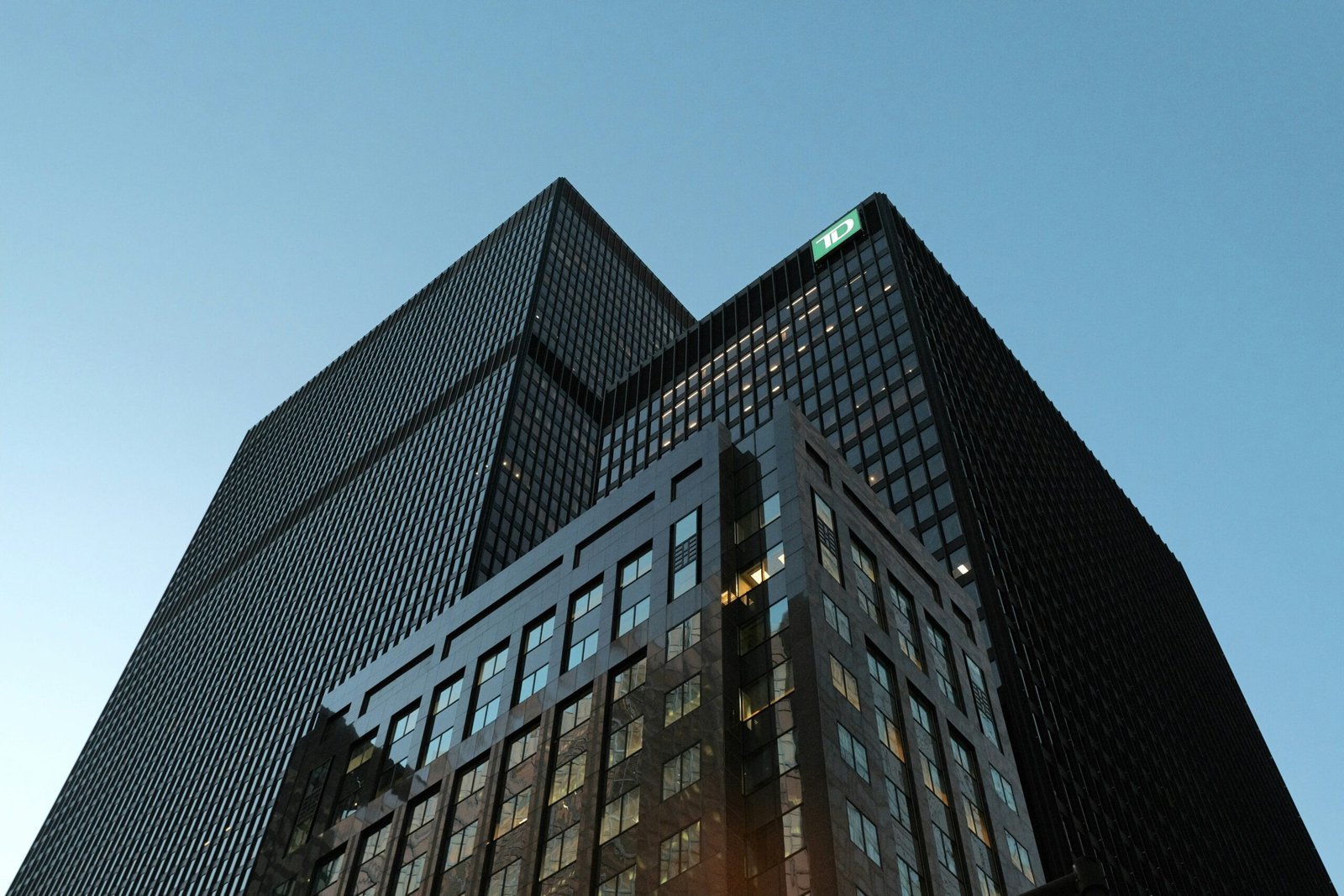
Real estate branding for large developments truly matters because it’s no longer just about brick and mortar; it’s about creating an identity, a narrative, and a connection with potential buyers, tenants, and investors. In today’s competitive landscape, simply building a great property isn’t enough. People are looking for experiences, values, and a sense of belonging, and a strong brand helps deliver that before anyone even steps foot on the property.
Crafting an Identity: More Than Just a Name
A robust brand strategy goes beyond a catchy name or a fancy logo. It’s about clearly defining what your large development stands for, who it’s for, and the unique value it offers. This strategic foundation is crucial for making an impact that lasts.
Defining Your Development’s Essence
Before you can communicate effectively, you need to understand the core identity of your development. What’s its purpose? What problems does it solve for its future occupants? Is it an urban oasis, a family-friendly community, or a hub for innovation? Answering these questions provides the bedrock for all subsequent branding efforts. This isn’t a fluffy exercise; it’s about uncovering the genuine characteristics that will resonate.
Understanding Your Audience Deeply
You can’t appeal to everyone, and trying to will only dilute your message. Part of branding involves thorough target audience analysis. Who are you trying to attract – young professionals, growing families, empty nesters, businesses in a particular sector? Understanding their demographics, psychographics, needs, and aspirations is paramount. This insight allows you to tailor your messaging and visual identity to speak directly to them, making your development feel like it was designed specifically for them.
Building Credibility and Trust
In large developments, especially those with long construction timelines, trust is a huge factor. A well-defined brand instills confidence. When your messaging is clear, consistent, and backed by a strong visual identity, it signals professionalism and reliability. This credibility is not just important for individual buyers or tenants, but also for attracting investors. High-quality, bespoke branding strategies help properties resonate, building credibility and boosting valuation significantly, as highlighted in current industry insights. It effectively communicates that this isn’t just another building; it’s a carefully considered, high-value proposition.
In exploring the significance of real estate branding for large developments, it is essential to consider how effective branding strategies can enhance visibility and attract potential buyers. A related article that delves deeper into this topic is available at Angels and Blimps, where the impact of branding on real estate projects is thoroughly examined. This resource provides valuable insights into the ways branding can influence consumer perception and drive sales in the competitive real estate market.
The Digital Front Door: Making a Strong First Impression Online
In our digital-first world, your large development’s online presence is often the very first interaction potential clients have. This “digital front door” must be compelling, informative, and easy to navigate. Ignoring this aspect is akin to having a beautiful development with a broken gate.
Optimizing Your Digital Footprint
Claiming and optimizing your Google listings is non-negotiable. This isn’t just about having an address; it’s about populating it with high-quality brand assets – professional photos, virtual tours, and engaging descriptions. When people search for developments in your area, you want to be not just present, but prominent and impressive. An optimized listing provides immediate visual appeal and gives essential information readily.
The Power of Social Engagement
Social media isn’t just for sharing holiday photos anymore; it’s a powerful tool for real estate branding. For large developments, it’s a platform for storytelling, community building, and showcasing features. Regularly posting updates on construction progress, design elements, local amenities, and even behind-the-scenes glimpses can generate significant interest. Engaging with comments and questions fosters a sense of community even before the development is complete. It also provides a direct channel for showcasing the unique aspects and lifestyle your development offers, driving awareness and discoverability.
Storytelling Through Immersive Visuals
The human brain processes visuals much faster than text. For large developments, immersive storytelling and captivating visuals are not just nice-to-haves; they are critical for shaping impressions. This means leveraging techniques like short-form video to highlight key features, present virtual walkthroughs, or introduce the design philosophy. Authentic, behind-the-scenes content humanizes the project, making it more relatable. Furthermore, AI-optimized digital journeys can personalize the visitor’s online experience, guiding them through relevant information and fostering trust from the very first click. This is about delivering a rich, engaging digital experience that replicates the feeling of being there in person.
Beyond the Building: Cultivating a Personal and Local Connection
While a large development might seem impersonal due to its scale, successful branding actually focuses on creating a personal and hyper-local connection. Generic, broad-stroke marketing simply doesn’t cut it anymore. People want to feel that a place understands their local needs and offers something specific to their micro-community.
The Hyper-Local Advantage
Real estate is inherently local. For large developments, this means crafting a brand that deeply integrates with and celebrates the surrounding neighborhood or district. Rather than generic updates about the development itself, focus on hyper-local content: insights into nearby schools, local businesses, community events, and the unique character of the area. This demonstrates a genuine understanding and appreciation for the location, making the development feel like an organic part of the existing fabric, not just an imposition. This approach resonates more powerfully than disconnected, generic corporate branding.
The Developer as a Trusted Local Voice
Developers and their teams should strive to build consistent personal brands that project expertise and a deep understanding of the local market. This isn’t about self-promotion as much as it is about becoming a trusted local voice. Offering transparent data and neighborhood-specific insights – perhaps through blog posts, webinars, or local community engagement – establishes credibility. When the developer is seen as an authority with genuine local knowledge, it builds immense confidence in the project itself. This personal touch, rooted in local understanding, outperforms generic brokerage names or corporate entities. It makes the large development feel more approachable and trustworthy.
Building Community Before Completion
A large development isn’t just a collection of buildings; it’s an evolving community. A strong brand proactively fosters this sense of community even before construction is complete. This might involve sponsoring local events, engaging with neighborhood associations, or hosting pre-construction gatherings. By investing in the existing community and showing a commitment to its growth and well-being, the development’s brand becomes intertwined with positive local sentiment. This proactive community building makes potential residents and businesses feel a sense of belonging from the outset.
The Branding Power of Design and Personalization
Design is a core component of branding, especially for large developments. It’s not just about aesthetics; it’s about functionality, future-proofing, and the ability to personalize spaces. Strong design choices communicate the developer’s vision and commitment to quality.
Thoughtful Design as a Brand Identifier
The architectural style, interior finishes, and overall aesthetic of a large development are powerful brand identifiers. Is it sleek and modern, classic and timeless, or innovative and sustainable? These design choices convey a specific message about the development’s character and target audience. For instance, a focus on biophilic design elements – integrating nature into the built environment – clearly signals a commitment to wellness and sustainability, appealing to a specific demographic. These design decisions form a visual language that reinforces the brand’s core values.
Flexibility and Future-Proofing
In a rapidly changing world, flexibility and future-proofing in design are increasingly important branding levers. Large developments that offer adaptable layouts, integrated smart home technologies, or scalable commercial spaces demonstrate foresight and a commitment to longevity. This appeals to discerning buyers and tenants who are looking for spaces that can evolve with their needs. AI integration, for example, isn’t just a tech trend; it’s a branding statement about innovation and convenience. It signals that the development is designed for the future, not just the present.
Human-Centric Spaces and Personalization
The trend towards human-centric design is not just a passing fad; it’s a fundamental shift that large development brands must embrace. This means designing spaces that prioritize well-being, comfort, and human interaction. Think about common areas designed for collaboration, quiet zones for focused work, or outdoor spaces that encourage recreation. Beyond this, the ability to personalize aspects of a space – whether it’s finishes, smart home features, or amenity packages – significantly enhances brand value. Offering choice and customization makes a large development feel less institutional and more tailored, appealing to individual preferences and making residents feel truly at home. This focus on human experience and personalization is powerful; it shows the developer cares about individual needs, which is a strong brand message.
In exploring the significance of real estate branding for large developments, it’s essential to consider how effective marketing strategies can enhance visibility and attract potential buyers. A related article discusses the impact of digital marketing on real estate, emphasizing the importance of a strong online presence in today’s competitive market. You can read more about this topic in the article on digital marketing for real estate, which highlights various tactics that can complement branding efforts and drive sales.
Long-Term Value and Market Resonance
A well-executed real estate brand for a large development isn’t just about immediate sales or leases; it’s about creating long-term value, ensuring market resonance, and fostering a legacy. This strategic foresight protects and enhances the investment over time.
Sustained Market Relevance
Markets shift, economies fluctuate, and preferences evolve. A strong brand, however, provides a protective layer. By establishing a clear identity and a reputation for quality, innovation, or community, a large development can maintain its relevance and desirability even as market conditions change. Brands that are rooted in fundamental values tend to weather storms better than those built on fleeting trends. This sustained relevance translates directly into enduring value.
Attracting Future Investment and Talent
A successful brand for a large development doesn’t just attract initial buyers or tenants; it also attracts future investment and talent. High-profile, well-regarded developments become benchmarks, drawing in other businesses, developers, and skilled professionals to the area. This positive feedback loop strengthens the local economy and elevates the development’s standing even further. Investors are more likely to fund projects associated with a strong, reputable brand, and top-tier businesses are more inclined to lease space in developments that project prestige and quality.
Building a Legacy and Reputation
Ultimately, effective real estate branding for a large development contributes to a lasting legacy. It’s about building a reputation that transcends individual projects and becomes synonymous with quality, innovation, and positive community impact. Developers who consistently deliver on their brand promise establish themselves as leaders in the industry. This reputation can then be leveraged for future projects, making subsequent ventures easier to finance, market, and sell. It’s about building a name that holds weight and respect, ensuring that the impact of a large development extends far beyond its physical footprint.
In conclusion, for large-scale real estate projects, branding isn’t a luxury; it’s a fundamental business necessity. It’s the strategic framework that transforms a collection of buildings into a destination, a property into a community, and an investment into a legacy. By carefully crafting an identity, mastering the digital presence, focusing on local connections, integrating thoughtful design, and projecting long-term vision, developers ensure their projects not only succeed in the immediate term but also thrive and resonate for years to come.
FAQs
What is real estate branding for large developments?
Real estate branding for large developments involves creating a unique identity and image for a property or development project. This includes the name, logo, design elements, and overall marketing strategy to differentiate the development from others in the market.
Why does real estate branding matter for large developments?
Real estate branding is important for large developments because it helps create a distinct identity, build credibility, and attract potential buyers or investors. It also helps in creating a strong market presence and standing out in a competitive market.
How does real estate branding impact the success of large developments?
Effective real estate branding can impact the success of large developments by influencing buyer perceptions, increasing property value, and creating a sense of community. It can also help in generating interest, driving sales, and establishing a long-term reputation for the development.
What are some key elements of real estate branding for large developments?
Key elements of real estate branding for large developments include a unique and memorable name, a visually appealing logo and design, a cohesive marketing strategy, and a strong online and offline presence. Consistency in messaging and branding across all channels is also crucial.
How can real estate developers improve their branding for large developments?
Real estate developers can improve their branding for large developments by conducting market research, understanding their target audience, creating a compelling brand story, and investing in professional design and marketing services. It’s also important to engage with the community and build a positive reputation through quality and sustainable development practices.