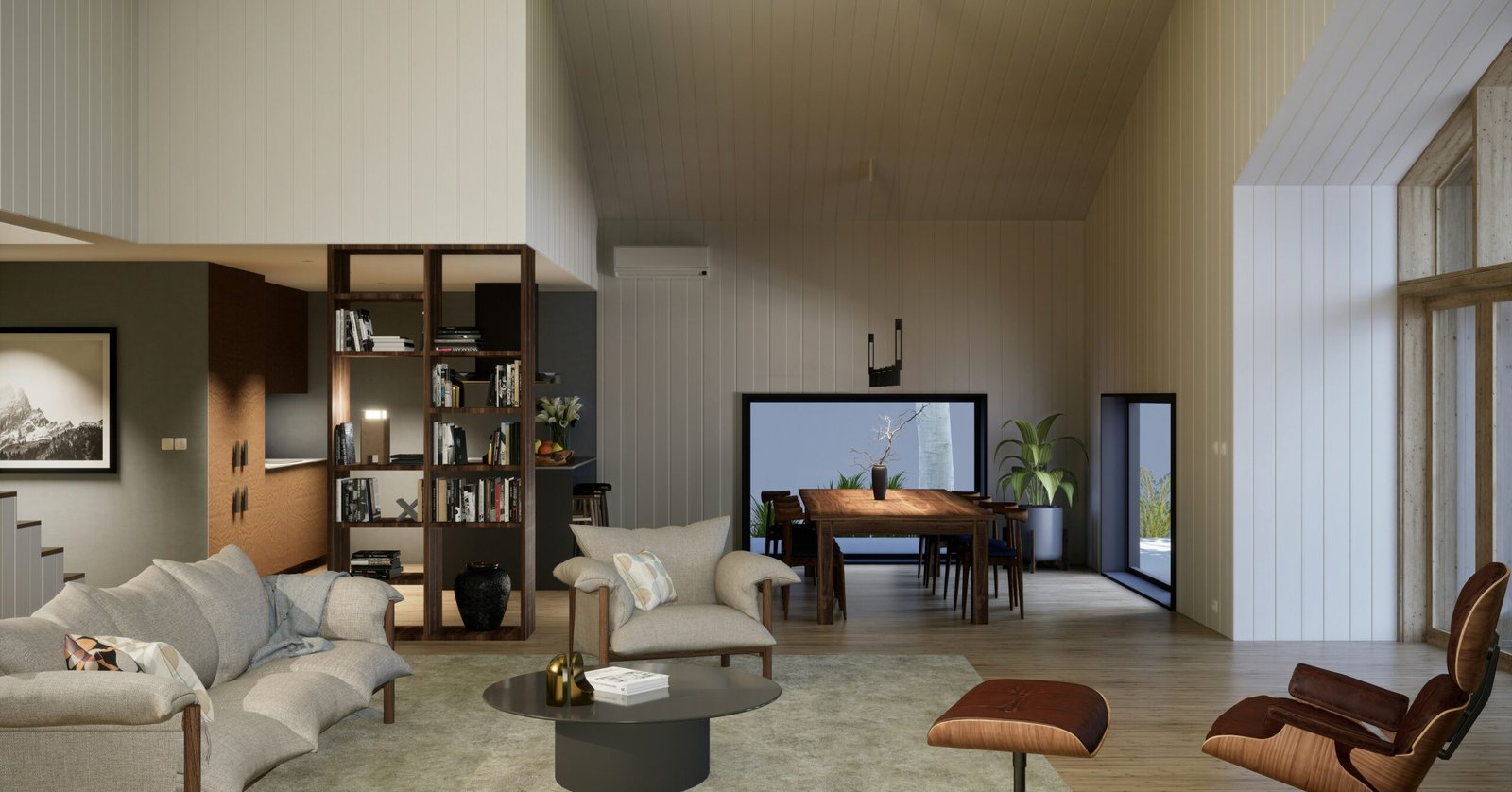
Virtual staging is indeed making significant inroads and, in many scenarios, actively replacing traditional home staging. The core reason lies in its effectiveness, efficiency, and cost-effectiveness compared to its physical counterpart. While traditional staging still holds a place, especially in high-end markets for specific scenarios, virtual staging offers a compelling alternative for a majority of properties seeking to attract buyers in today’s digital-first real estate landscape.
One of the most immediate and impactful reasons for virtual staging’s rise is its sheer affordability. This isn’t just a minor difference; we’re talking about drastically lower expenses.
Significant Reduction in Out-of-Pocket Expenses
When you’re trying to sell a home, every dollar counts. Traditional staging demands a substantial upfront investment, often ranging from $1,500 to $5,000, and sometimes even more, for a single property. This cost typically covers rental of furniture, accessories, and the labor involved in moving items in and out, not to mention design consultation fees. And it’s not a one-time fee – if the property sits on the market for an extended period, those rental costs can continue to accrue.
Virtual staging, on the other hand, operates on an entirely different scale. We’re looking at costs per photo that typically fall between $1 and $75. If you need to stage a few key rooms, the total expense will be a fraction of what you’d spend on physical staging. This makes it an incredibly attractive option for agents and sellers working with a tighter budget, or for properties where the profit margin doesn’t justify a high staging outlay.
Accessibility for a Wider Range of Properties
Because of its lower cost, virtual staging opens up the benefits of staging to a much wider array of properties. Homes that might not have warranted the expense of traditional staging – perhaps a smaller home, a property in a less affluent area, or an investment property – can now be presented in their best light. This broad accessibility means more listings can leverage the proven advantages of staging to attract buyers, rather than only the high-end market.
In recent years, the real estate industry has witnessed a significant shift towards virtual staging, as highlighted in the article “Why Virtual Staging Is Replacing Traditional Home Staging.” This innovative approach not only saves time and money but also allows for greater flexibility in showcasing properties. For further insights into the advantages of virtual staging and its impact on home sales, you can read more in this related article: Angels and Blimps.
Speed and Efficiency: Getting Listings Live Sooner
In the fast-paced real estate market, time is often of the essence. Virtual staging dramatically outpaces traditional methods when it comes to speed and efficiency.
Rapid Turnaround for Quick Listings
Imagine you’ve just secured a listing. With traditional staging, you’re looking at days, often even weeks, to get everything sorted. This includes consultations, selecting furniture, scheduling delivery and setup, and then the actual staging process. All this time the property isn’t fully market-ready, potentially delaying its online debut.
Virtual staging completely bypasses this logistical nightmare. Photos can be virtually staged in a matter of seconds for AI-powered solutions, or up to 72 hours for more customized, human-designer-driven projects. This rapid turnaround means your listing can go live much faster, getting eyeballs on the property sooner and potentially speeding up the sale process. For agents looking to optimize their workflow and reduce time to market, this is a game-changer.
Streamlined Process, Fewer Headaches
Beyond just speed, the virtual staging process is inherently less complicated. There’s no coordinating movers, no managing furniture rentals, and no physical presence required. You simply provide the interior photos of the empty rooms, and the virtual staging company handles the rest. This streamlined approach minimizes logistical headaches for agents and sellers, allowing them to focus on other aspects of the sale.
Unparalleled Flexibility and Variety

One of virtual staging’s strongest selling points is its incredible versatility. It offers a level of adaptability that traditional staging simply cannot match.
Experiencing Diverse Design Aesthetics Instantly
Let’s say you’re selling a vacant home. With traditional staging, you’d pick one style – modern, traditional, minimalist – and hope it appeals to the broadest audience. If it doesn’t, changing it would be another costly and time-consuming endeavor.
Virtual staging allows you to experiment with countless design aesthetics instantly. You can take the same empty room and showcase it as a sleek modern living space, a cozy traditional family room, or even a vibrant bohemian retreat. This capability is invaluable for gauging buyer preferences or appealing to different demographic segments without any physical effort or expense.
Tailoring Rooms for Specific Audiences
This flexibility extends to tailoring rooms for specific purposes. Is that spare room a potential home office? A guest bedroom? A nursery? With virtual staging, you can present all these possibilities from a single photo. This helps buyers visualize themselves living in the home and how they might utilize each space, which is often a significant hurdle when looking at empty rooms. You can even virtually “renovate” outdated kitchens or bathrooms to show their potential, though it’s crucial to always disclose that these are virtual representations.
Ideal for Various Property Conditions
Virtual staging shines when dealing with properties that are challenging to stage traditionally.
Vacant Properties
Empty homes often feel cold, uninviting, and smaller than they are. Virtual staging breathes life into these spaces, helping buyers envision furniture arrangements and the overall flow of the home without a significant investment in physical items.
Dated Interiors
For properties with dated features or interiors that could use a refresh, virtual staging offers a way to modernize the look without undertaking actual renovations. This can help buyers look past the current aesthetic and see the potential value.
Tenanted Homes
Staging a tenanted home traditionally can be incredibly disruptive and often not feasible. Virtual staging provides a non-intrusive solution. You simply take photos of the existing space (perhaps with some tidying), and then virtually stage over the current furniture or into empty areas, presenting a more appealing image for potential buyers.
Impact on Sales and Buyer Engagement

Ultimately, the goal of staging is to sell a home faster and for a better price. Both virtual and traditional staging contribute significantly to this, with virtual staging offering distinct advantages in the digital realm.
Faster Sales and Higher Asking Prices
Data consistently shows that staged homes, whether virtually or physically, sell significantly faster than unstaged ones. We’re talking about properties moving 73% quicker off the market. On top of that, staged homes often command a 1% to 10% higher selling price compared to their unstaged counterparts. This return on investment makes a strong case for integrating staging into your sales strategy.
The Power of Online First Impressions
In today’s real estate market, virtually every home search begins online. The listing photos are the first, and often the only, chance to capture a buyer’s attention. This is where AI-powered virtual staging truly excels. High-quality, beautifully staged images draw buyers in, encouraging them to click on the listing, spend more time viewing it, and ultimately schedule a physical showing.
Enhancing Buyer Visualization
Empty rooms, or rooms filled with eclectic or overwhelming personal style, can make it difficult for buyers to envision themselves living in the space. Virtual staging creates a clean, aspirational, and relatable environment. It helps buyers mentally place their own furniture, understand scale, and mentally move in, fostering an emotional connection before they even step foot in the door.
Standing Out in a Crowded Market
In competitive markets, striking visuals are crucial. Virtual staging elevates a listing above the generic, uninspired photos of empty rooms or poorly presented spaces, ensuring it stands out and grabs the immediate attention of potential buyers scrolling through hundreds of listings.
In the evolving landscape of real estate marketing, the shift towards virtual staging is becoming increasingly evident. A related article discusses the benefits of this innovative approach, highlighting how it not only saves time and money but also allows for greater flexibility in showcasing properties. For those interested in exploring this trend further, you can read more about it in the article on the benefits of virtual staging. This transformation in home staging practices is reshaping how buyers envision their future homes.
Adapting to Future Trends: Hybrid Approaches for 2026
| Reasons | Virtual Staging | Traditional Staging |
|---|---|---|
| Cost | Significantly lower cost as it eliminates the need for physical furniture | Higher cost due to the need to purchase or rent furniture |
| Convenience | Can be done remotely and quickly | Requires physical presence and more time to set up |
| Flexibility | Allows for easy changes and customization | Less flexibility as it involves moving physical furniture |
| Realism | Advanced technology creates realistic virtual staging | Dependent on the quality and style of physical furniture |
| Market Reach | Can cater to a wider audience through digital platforms | Limited to local market and in-person viewings |
While virtual staging is gaining ground, the future of home staging isn’t necessarily one-size-fits-all. A more nuanced, hybrid approach is emerging as the dominant strategy.
Blending Virtual and Physical Staging
Looking ahead to 2026, we anticipate a prevalent strategy where virtual staging handles the majority of the visual presentation, especially for online listings. However, traditional, physical staging will still play a key role for specific, high-impact areas.
Virtual for the Bulk, Real for the ‘Wow’ Factor
The trend indicates using virtual staging for most rooms, particularly those less critical for immediate emotional connection during an in-person visit, or for rooms that simply need to look good online. Think secondary bedrooms, home offices, or even formal dining rooms that might not be used frequently by some buyers.
For luxury properties, or homes where the “wow” factor upon entry is paramount, physical staging will continue to be deployed in key areas. These often include the living room, main kitchen, and the primary bedroom. These are the spaces where tactile luxury, the smell of fresh flowers, and a tangible sense of hominess can create a powerful, immediate emotional response that virtual staging, for all its benefits, cannot yet fully replicate.
Ensuring Transparency: Always Disclose
As virtual staging becomes more commonplace, ethical considerations are paramount. It’s crucial to always disclose the use of virtual staging in your listings. This might involve a simple disclaimer in the photo captions or property description.
Managing Buyer Expectations
Transparency helps manage buyer expectations. While virtual staging is incredibly realistic, it’s still a digital representation. Full disclosure prevents any potential disappointment or feeling of being misled when a buyer walks into an empty or unfurnished room after being enticed by a virtually staged image. Honesty builds trust and ensures a smoother viewing experience.
Limitations: Where Traditional Staging Still Shines
Despite its many advantages, it’s important to acknowledge that virtual staging isn’t a complete panacea and has its own limitations. These are the areas where traditional, physical staging still holds an edge.
The Tangible Experience and Sensory Connection
Virtual staging excels in the digital realm, creating beautiful online visuals. However, a property viewing is a multi-sensory experience.
Tactile Luxury and Emotional Connection
Physical staging provides a tactile experience that virtual staging cannot. Buyers can sit on a sofa, feel the texture of a rug, or run their hand over a quality piece of furniture. This physical interaction contributes to a deeper emotional connection with the space. The subtle scent of a staged home, the way natural light plays off actual materials, or the quiet ambiance a truly furnished room offers all contribute to an overall feeling of “home” that can be difficult to replicate digitally. This tactile luxury is critical, especially in the high-end market where buyers expect a premium experience from the moment they step through the door.
Avoiding Buyer Disappointment
When buyers arrive for a showing and find a completely empty room after seeing beautifully furnished virtual images, there can be a disconnect. This “letdown” can negatively impact their perception of the property. While disclosure helps mitigate this, some buyers might still struggle to visualize the space as they did online, leading to a less impactful showing experience. For this reason, for homes targeting a buyer demographic that prioritizes immediate emotional connection and a luxury in-person feel, traditional staging in key areas remains a valuable tool to prevent any sense of disappointment and to reinforce the aspirational lifestyle being sold.
FAQs
What is virtual staging?
Virtual staging is the process of digitally enhancing and furnishing a property’s photos to make it more appealing to potential buyers. This is done using computer software to add furniture, decor, and other design elements to empty or outdated spaces.
How does virtual staging differ from traditional home staging?
Traditional home staging involves physically furnishing and decorating a property to make it more attractive to buyers. Virtual staging, on the other hand, is done digitally and does not require physical furniture or decor to be placed in the property.
What are the benefits of virtual staging over traditional home staging?
Virtual staging is often more cost-effective and less time-consuming than traditional home staging. It also allows for greater flexibility and customization, as digital furniture and decor can be easily added, removed, or changed to suit different preferences.
Are there any drawbacks to virtual staging?
One potential drawback of virtual staging is that it may not accurately represent the actual size and layout of a property. Additionally, some buyers may be disappointed when they visit a property in person and find that it does not match the digitally staged photos.
Is virtual staging becoming more popular in the real estate industry?
Yes, virtual staging is becoming increasingly popular in the real estate industry, as it offers a cost-effective and flexible alternative to traditional home staging. Many real estate agents and sellers are turning to virtual staging to enhance their property listings and attract more potential buyers.